
Monday, 29 July 2013
Interesting what side-tracks you. On the way to Trafalgar Square, I dropped into the café in the crypt at St Martin's, only to be encouraged into their exhibition space - where all the exhibits in a show called "cARTographies" were covered in post-it notes. The idea is that visitors pay to remove a post-it, which one of the artists makes into another picture for the visitor. It's intended to be a rather laborious way of side-tracking the money-obsessed view of art: it's all explained on their website.
 Enterprise deserves encouragement, and interest was obviously still slow to build, so I bought in. The artist drawing this little picture, after asking for a title for it, explained it as one part of a larger gridded picture, to which he would eventually attach a poem or story made out of the titles for each of the grid's squares (more maps, in a way). It would all be part of - well, a project that isn't mine to share with the internet, just yet, but one that anyone would wish him well in.


Sunday, 28 July 2013
Big Blue
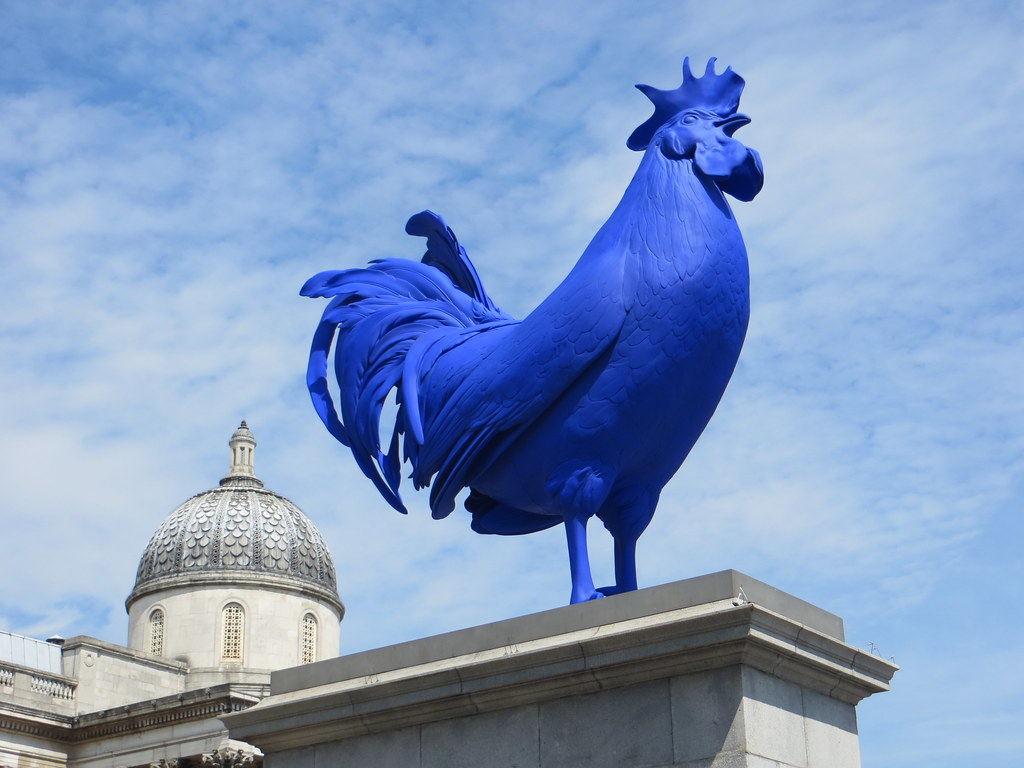
Like the golden boy on the rocking-horse (which preceded this, having won out in the most recent competition for the slot), this is a comment on the military - and distinctly male - honorands elsewhere in Trafalgar Square.
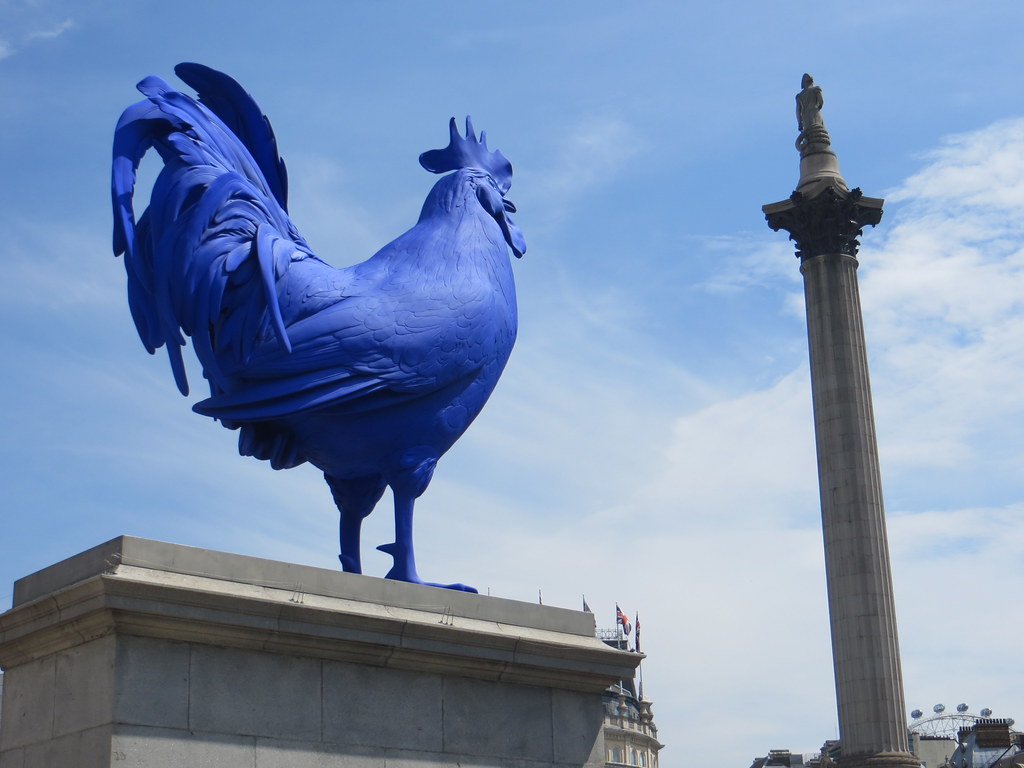
And who else should unveil a big blue cock than Our Beloved Mayor™? Had it been his predecessor, it would, no doubt, have had to be a little red rooster.
Sunday, 21 July 2013

Tuesday, 16 July 2013

Monday, 15 July 2013
Summer rites

Appropriately for July 14th, a programme of French - or French-based - music by a French orchestra. It might sound a bit dustily academic (ballet music from different periods played on instruments as they were at the time rather than standard modern ones), but whether it was the period instruments or the sprightly tempi, the music sounded very fresh and cleaned of old varnish, especially old warhorses from Delibes and Massenet.

The huge leap to the rawness of the Rite of Spring's native - and startlingly modernist - presentation of Russian folk myths and music made clear why there was a riot at the first performance. Even now - and especially in this re-creation of Stravinsky's original version - it's hard to believe that was a hundred years ago; a pity the hall wasn't full (at least in the expensive, polite society, seats), but the cheers and stamping of the final applause made up for that.
No stars, though, for the person who coughed in the opening bassoon solo (not me, I hasten to add).
Sunday, 14 July 2013
Thursday, 11 July 2013
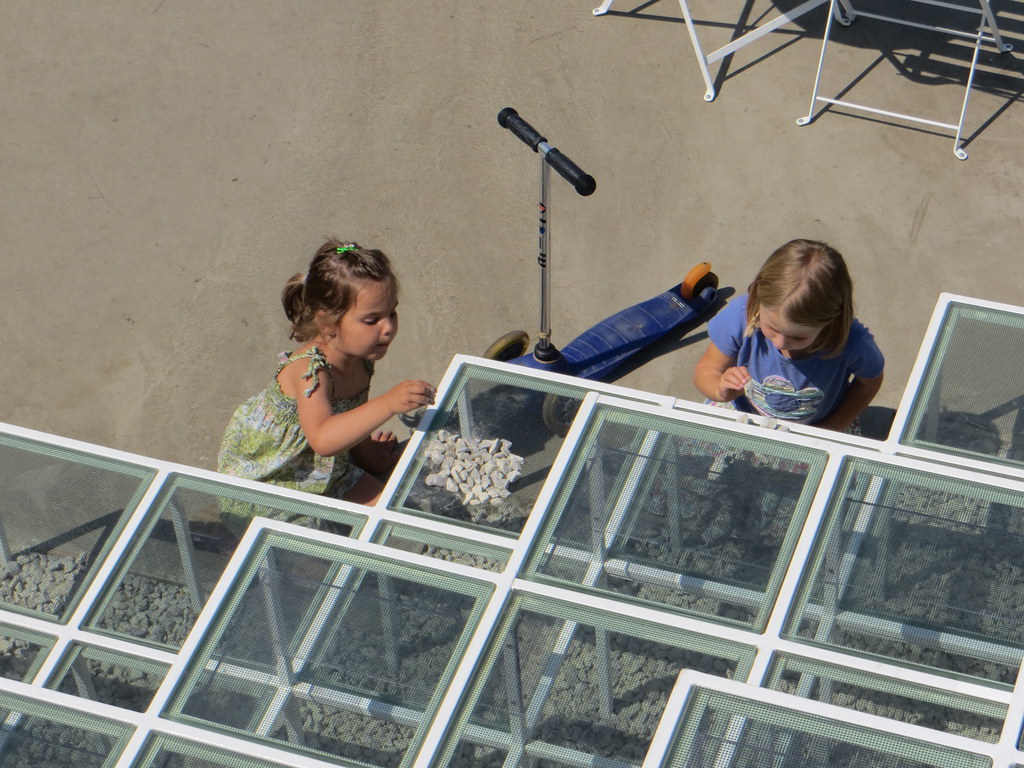
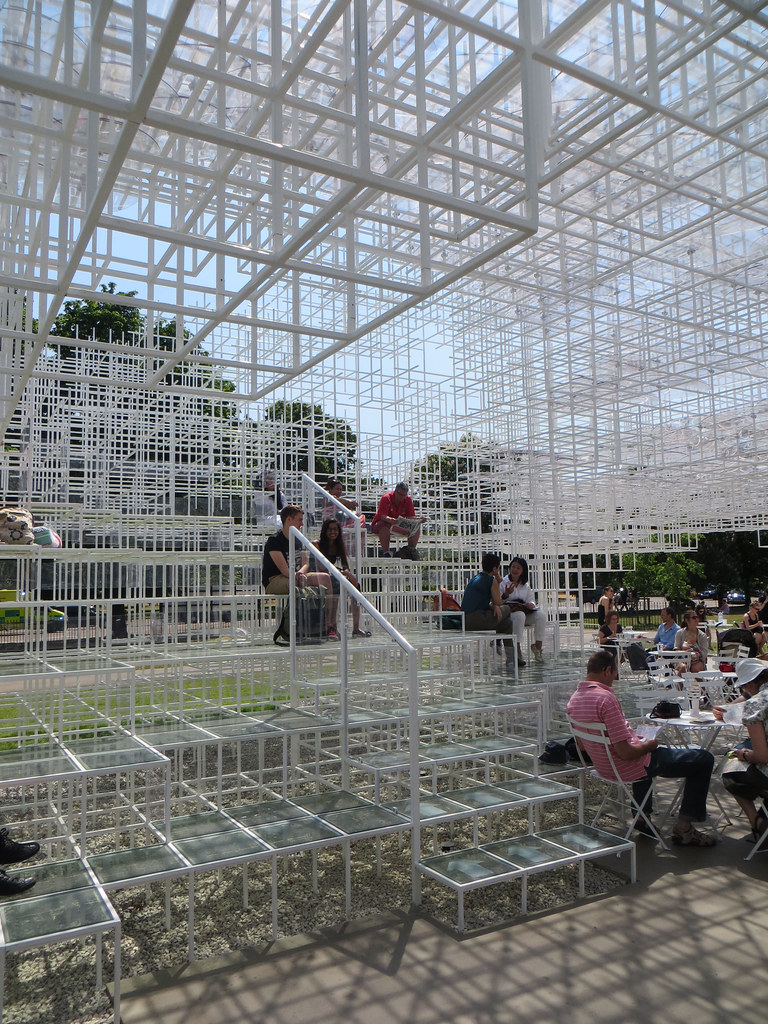
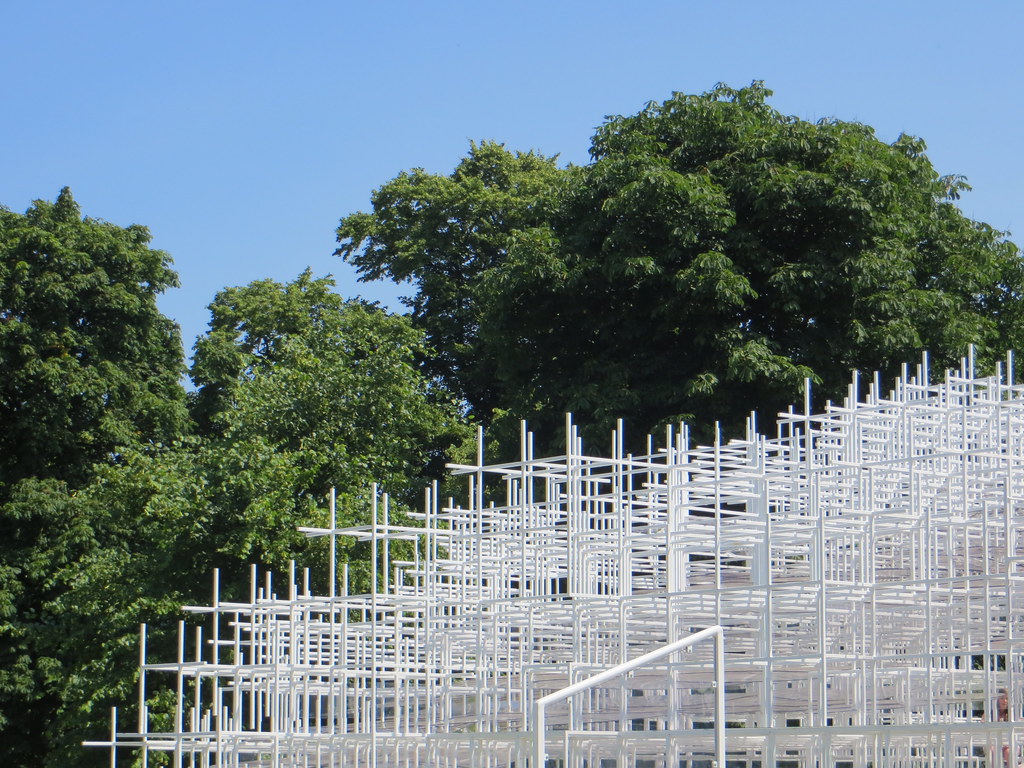
In, down, and (this year) up
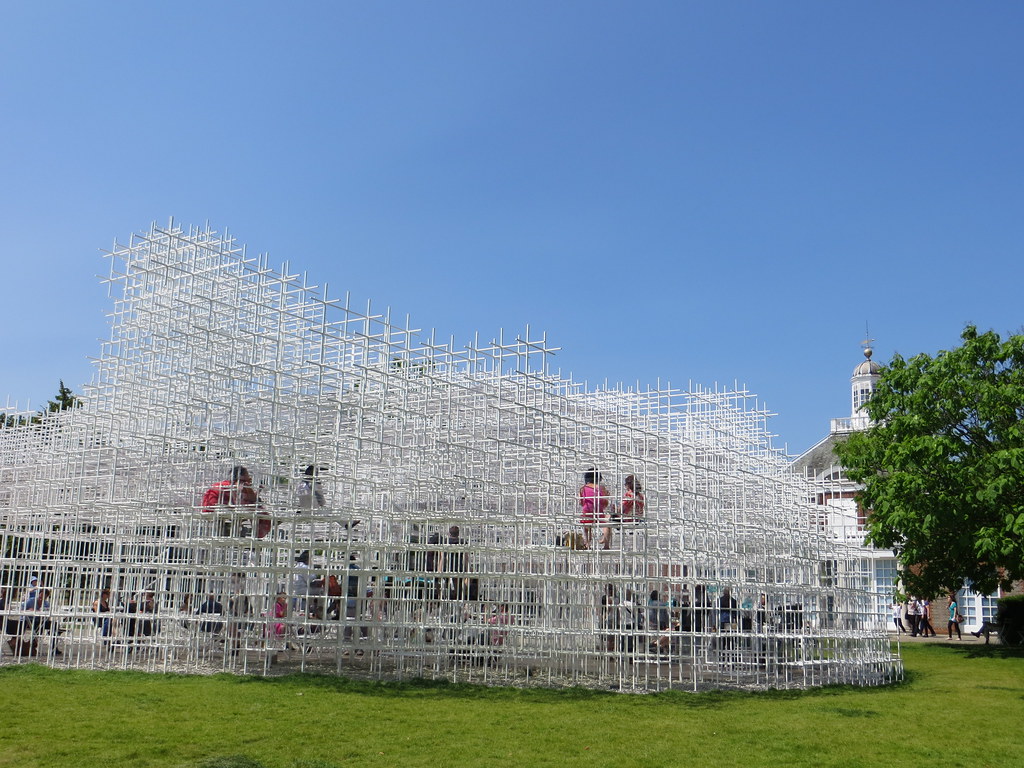
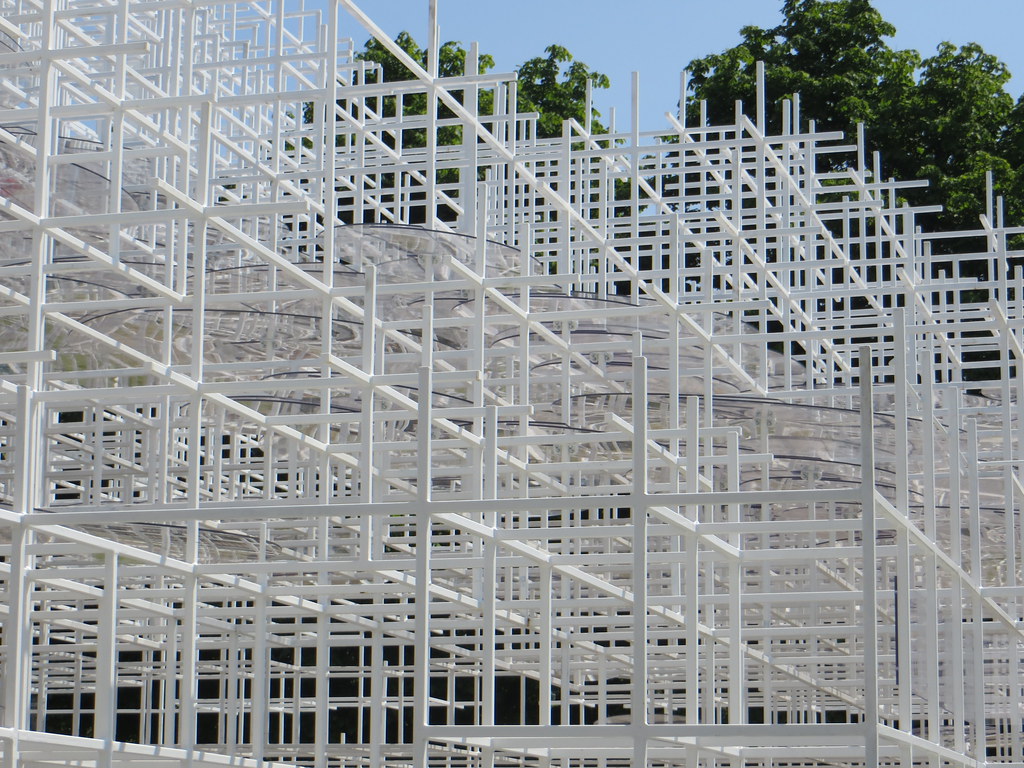
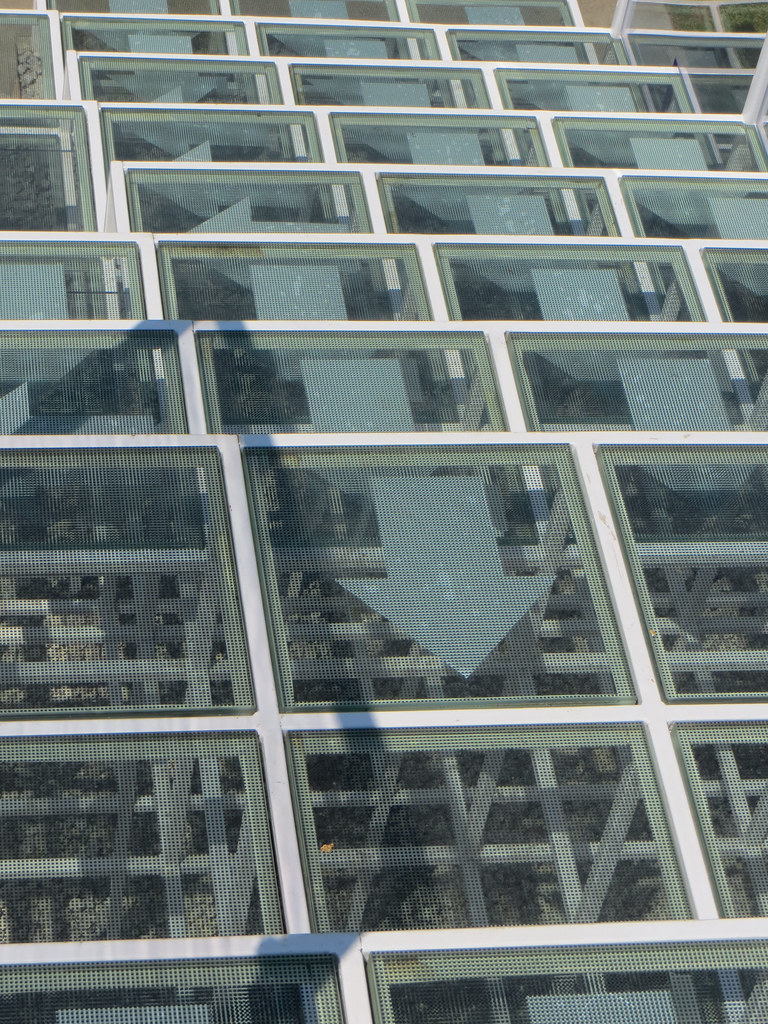
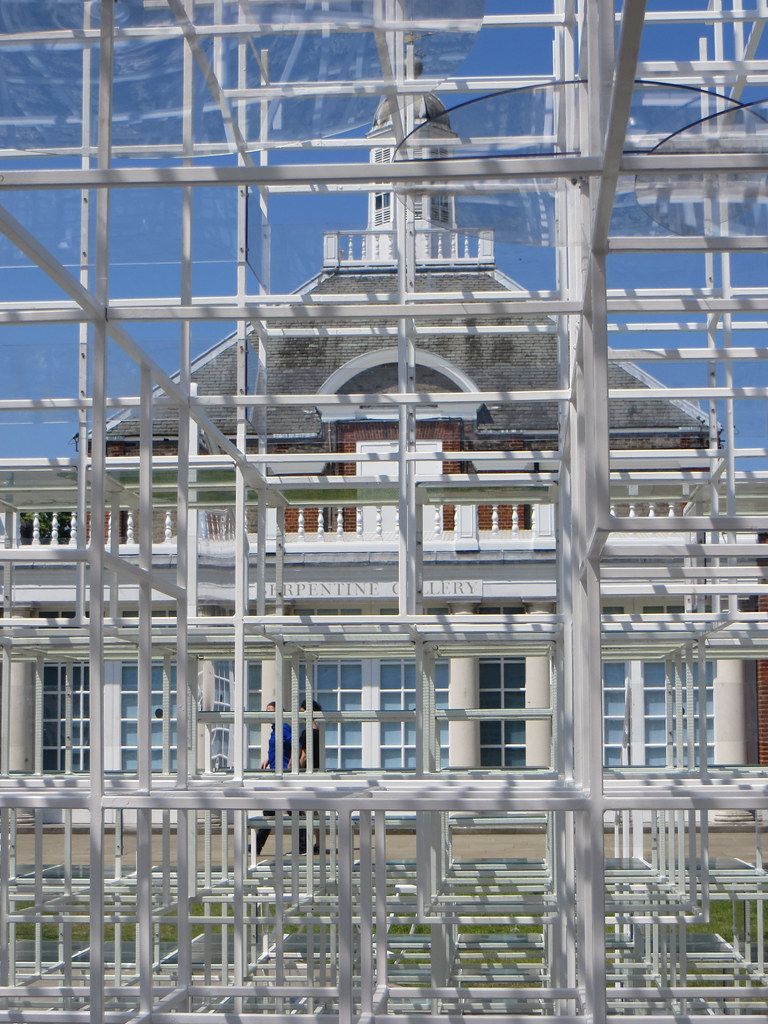
The artspeak intention is to create "an architectural landscape: a transparent terrain that encourages people to interact with and explore the site in diverse ways."
Wednesday, 10 July 2013
Two memorials
In St. Anne's Gardens, in Wardour St (one of those churchyards now laid out as a small park), there are memorials to two characters who couldn't be more different.
On the one hand, William Hazlitt, a serious-minded essayist and man of letters, who (according to the imposing modern memorial tablet)
and so it continues with similar solemnity, concluding "He lived and died the unconquered Champion of Truth, Liberty and Humanity".
But on the other hand there is a plaque to Theodore, King of Corsica, who seems to have lived up to Soho's more familiar raffish reputation. He died some 40 years before Hazlitt's birth
You might think this indicates some eighteenth-century con-man of the kind that even cons himself, but apparently not. He was a German soldier of fortune who persuaded a band of Corsican rebels against Genoese control that he could lead their battles and free them - if they would make him their king, which they duly did. The enterprise didn't last for more than a few months, despite repeated subsequent attempts on his part to regain control of the island from the French and the Genoese; ultimately, the debtors' prison and death caught up with him. The bereft Corsicans went on to create their own republic, before discovering the Genoese had sold them to the French monarchy (and later that their French fellow-revolutionaries considered republicanism an even greater reason for considering them part of France, which led some Corsicans to support a British protectorate with George III as nominal King - whether anyone in Britain thought that might get Theodore's debts repaid, I have no idea).
Theodore, meanwhile, became the hero of an opera.
On the one hand, William Hazlitt, a serious-minded essayist and man of letters, who (according to the imposing modern memorial tablet)
lived to see his deepest wishes gratified as he has expressed them in his Essay on the Fear of Death, viz.
'To see the downfall of the Bourbons and some prospect of good to mankind' (Charles X was driven from France 29th July 1830)
'To leave some sterling work to the world' (He lived to complete his life of Napoleon)
and so it continues with similar solemnity, concluding "He lived and died the unconquered Champion of Truth, Liberty and Humanity".
But on the other hand there is a plaque to Theodore, King of Corsica, who seems to have lived up to Soho's more familiar raffish reputation. He died some 40 years before Hazlitt's birth
immediately after leaving the Kings Bench Prison by the benefit of the Act of Insolvency in consequence of which he registered his Kingdom of Corsica for the use of his creditors.
You might think this indicates some eighteenth-century con-man of the kind that even cons himself, but apparently not. He was a German soldier of fortune who persuaded a band of Corsican rebels against Genoese control that he could lead their battles and free them - if they would make him their king, which they duly did. The enterprise didn't last for more than a few months, despite repeated subsequent attempts on his part to regain control of the island from the French and the Genoese; ultimately, the debtors' prison and death caught up with him. The bereft Corsicans went on to create their own republic, before discovering the Genoese had sold them to the French monarchy (and later that their French fellow-revolutionaries considered republicanism an even greater reason for considering them part of France, which led some Corsicans to support a British protectorate with George III as nominal King - whether anyone in Britain thought that might get Theodore's debts repaid, I have no idea).
Theodore, meanwhile, became the hero of an opera.
Tuesday, 9 July 2013

Monday, 8 July 2013
Still ploughing through the last bits of Saturday's multi-supplement newspaper (I bought it, so I owe it to myself to get my money's worth), it occurs to me - once print newspapers have become whatever they're going to be as the internet develops, how different will the reading experience be?
When it takes a bit of effort to work out the logic of how the stories are organised on a website or an app, and seeing only a fairly truncated part of any one story at any one time, what happens to the compulsion to try to take it all in? How involved can you feel when there are an unlimited number of (often moronic) comments to plough through?
I can't say I've compared any one print edition with the internet equivalent, but the latter certainly feels like thinner, less engaging, gruel. And it's no good for any of the things waste paper can be used for.
When it takes a bit of effort to work out the logic of how the stories are organised on a website or an app, and seeing only a fairly truncated part of any one story at any one time, what happens to the compulsion to try to take it all in? How involved can you feel when there are an unlimited number of (often moronic) comments to plough through?
I can't say I've compared any one print edition with the internet equivalent, but the latter certainly feels like thinner, less engaging, gruel. And it's no good for any of the things waste paper can be used for.
Saturday, 6 July 2013
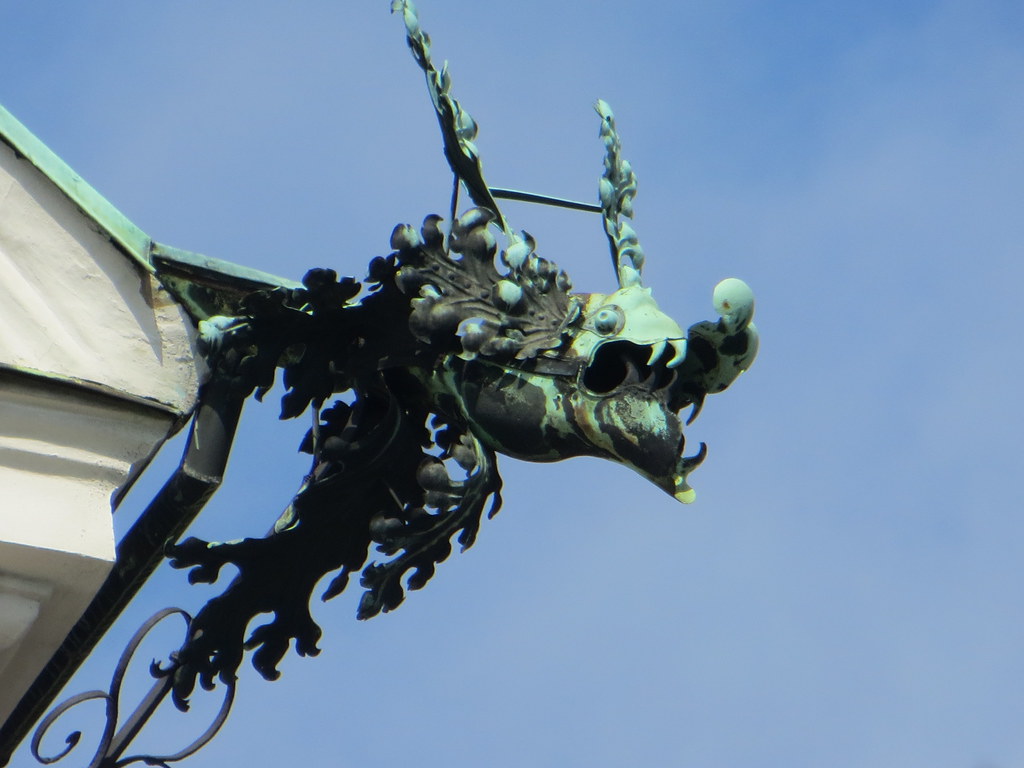
Gargoyles

Wikipedia tells me (so it must be true) that the word "gargoyle" derives from "La Gargouille", a dragon from which a Merovingian saint delivered the city of Rouen, following which its head was attached to the church to ward off evil spirits.
Some of these particular dragons look as though they could scare off just about anything:
Thursday, 4 July 2013
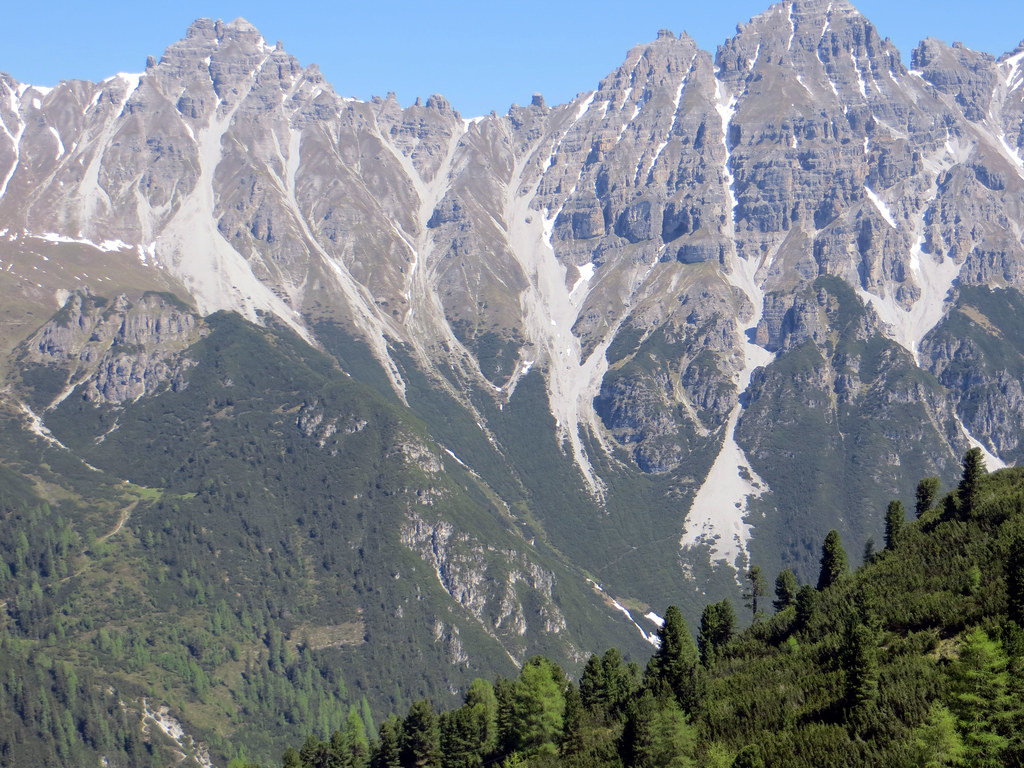
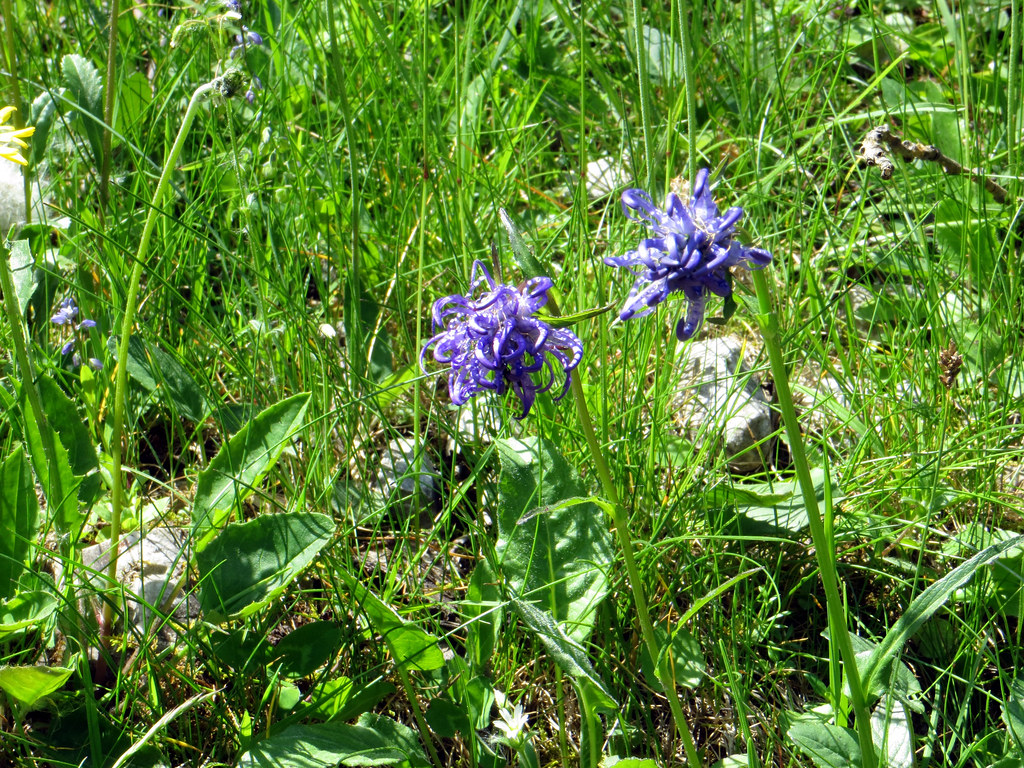
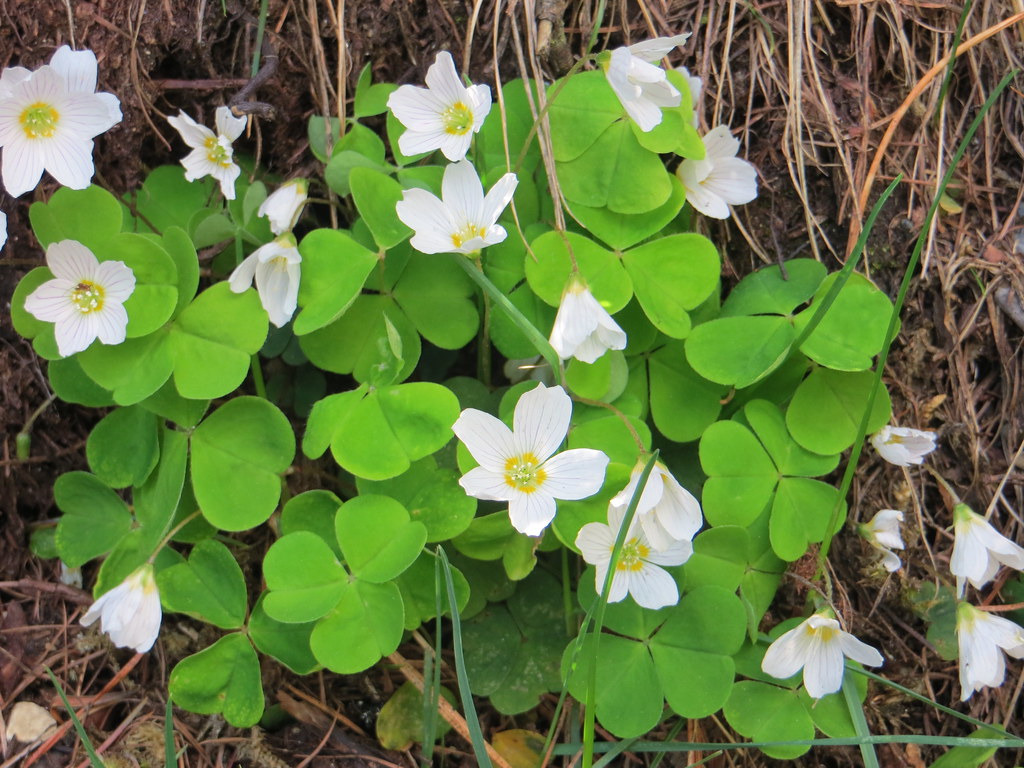
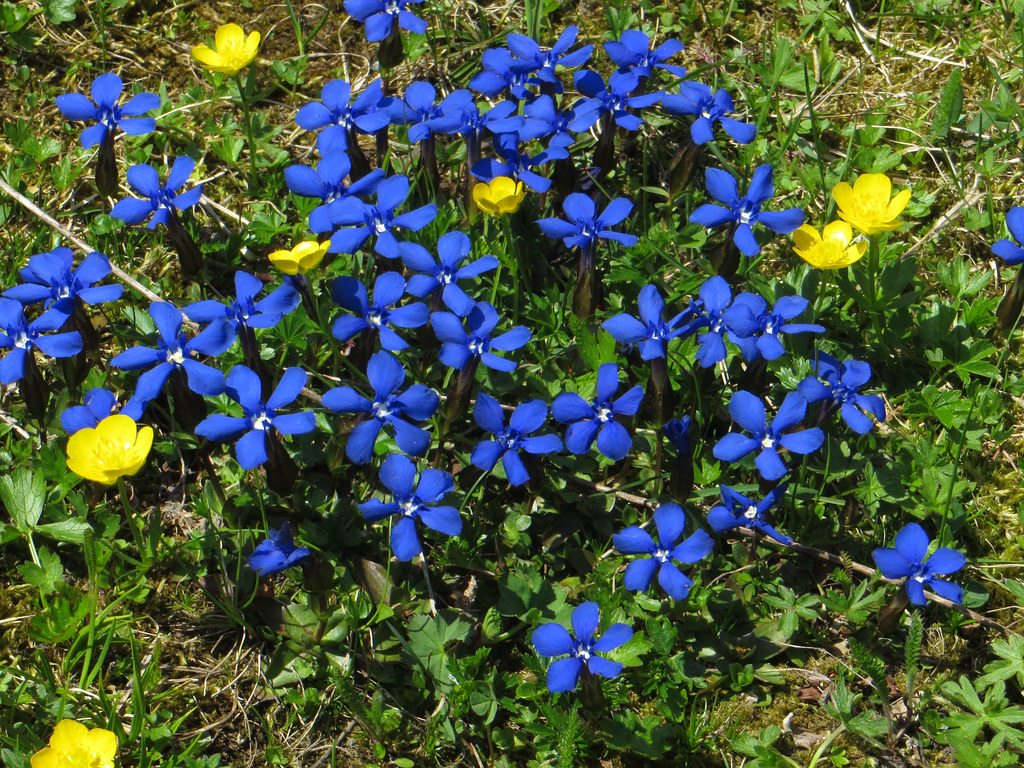
Mountains and flowers

(Click on a photo for a full-size view)

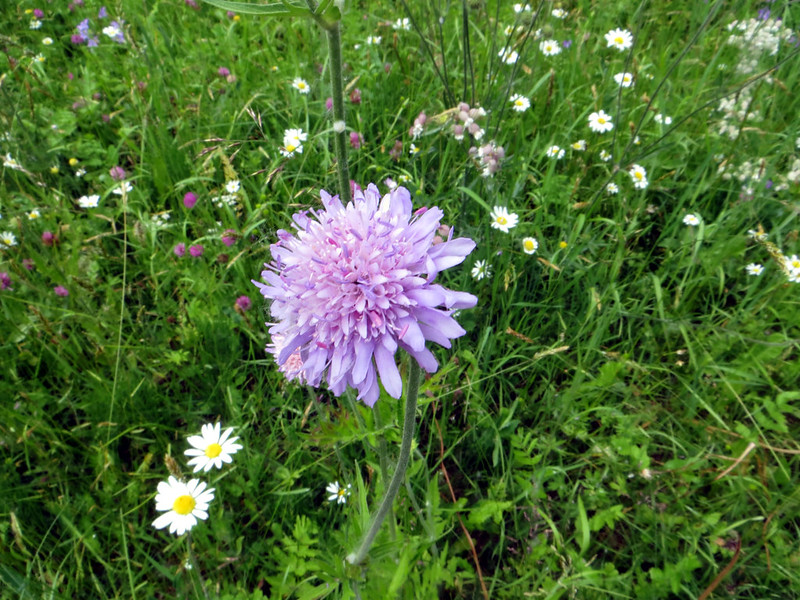
However small they are, though, the intensity of colour draws the eye (and, no doubt, more importantly the pollinating insects).






Friday, 28 June 2013
Painted houses
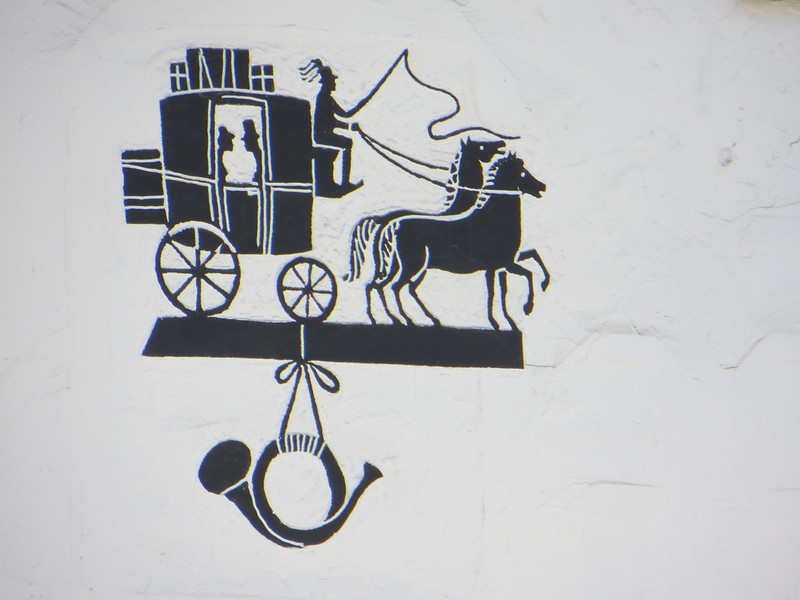
One noticeable custom in the Tirol, and for all I know elsewhere in Austria and southern Germany, is painting pictures on the otherwise plain white plaster or mortar exterior.  It may be just for decoration, or often a painting of the Madonna or saints, sometimes of some allegorical or perhaps local reference, and sometimes to announce the function of the building, as in this modern addition to a village post office.
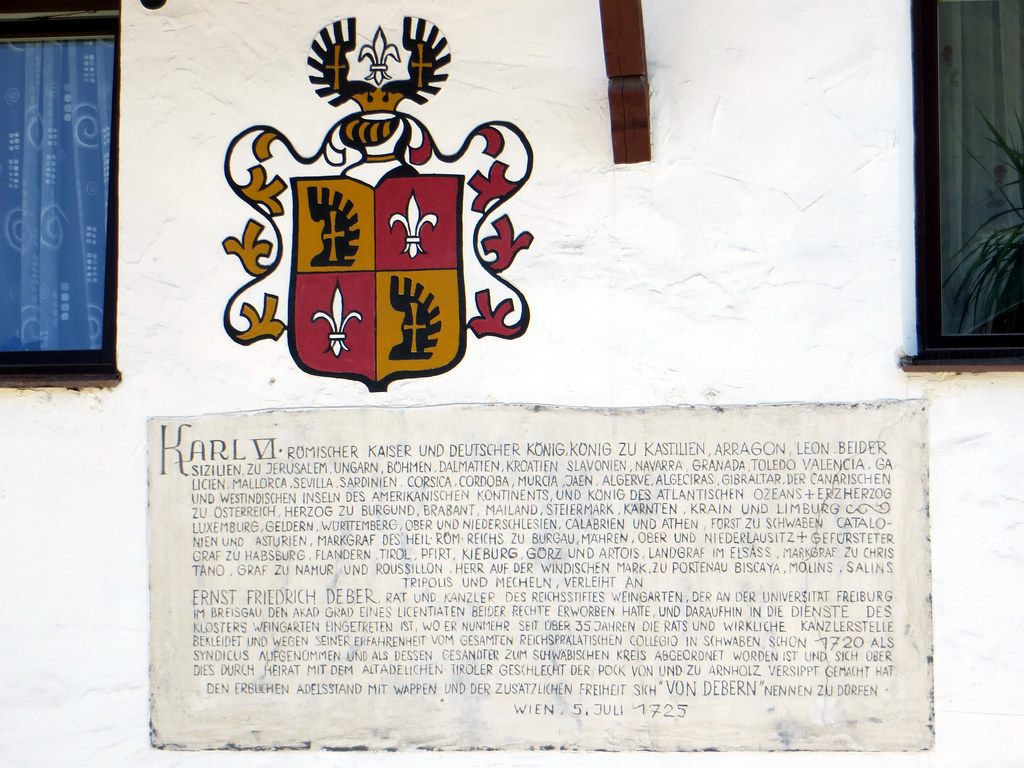
The same wall has a much older, and much less modest announcement. A previous owner clearly wished to show how important he had become, and where that importance was derived from, in an inscription which reads:

The same wall has a much older, and much less modest announcement. A previous owner clearly wished to show how important he had become, and where that importance was derived from, in an inscription which reads:
Karl VI, Roman Emperor and German King, King in Castile, Aragon, Leon, the Two Sicilies, in Jerusalem, Bohemia, Dalmatia, Croatia, Slavonia, Navarre, Granada, Toledo, Valencia, Galicia, Mallorca, Seville, Sardinia, Corsica, Cordoba, Murcia, Jaen, Algarve, Algeciras, Gibraltar, of the Canaries and West Indian Islands of the American Continent, and King of the Atlantic Ocean; Archduke in Austria, Duke in Burgundy, Brabant, Milan, Styria, Carinthia, Krain and Limburg, Luxembourg, Geldern, Wurttemberg, Upper and Lower Silesia, Calabria and Athens, Prince in Swabia, Catalonia and Asturias, Margrave of the Holy Roman Empire in Burgau, Moravia, Upper and Lower Lausitz, Prince-Count in Habsburg, Flanders, Tirol, Pfirt, Kieburg, Gorz and Artois, Landgrave in Alsace, Margave in Christano, Count in Namur and Roussillon, Lord of the Wendish March, in Portenau, Biscaya, Molins, Salins, Tripolis and Mechelen,
grants to ERNST FRIEDRICH DEBER, Counsellor and Chancellor of the Weingarten Imperial Foundation, who achieved the academic degree of Licentiate in Laws from the University of Freiburg im Breisgau and thereupon entered the service of the Weingarten Monastery, where he has now occupied for 35 years the post of Counsellor and Real Chancellor, and on account of his experience of the entire Imperial Prelatic College in Swabia was accepted as Syndicus in 1720 and as such appointed as representative to the Swabian community and related himself by marriage to the ancient and noble family of Pock von und zu Arnholz,
hereditary rank of nobility with arms and the additional freedom to style himself "VON DEBERN".
Vienna, 5 July 1725.
Wednesday, 26 June 2013
Paragliders

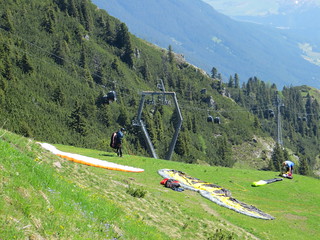
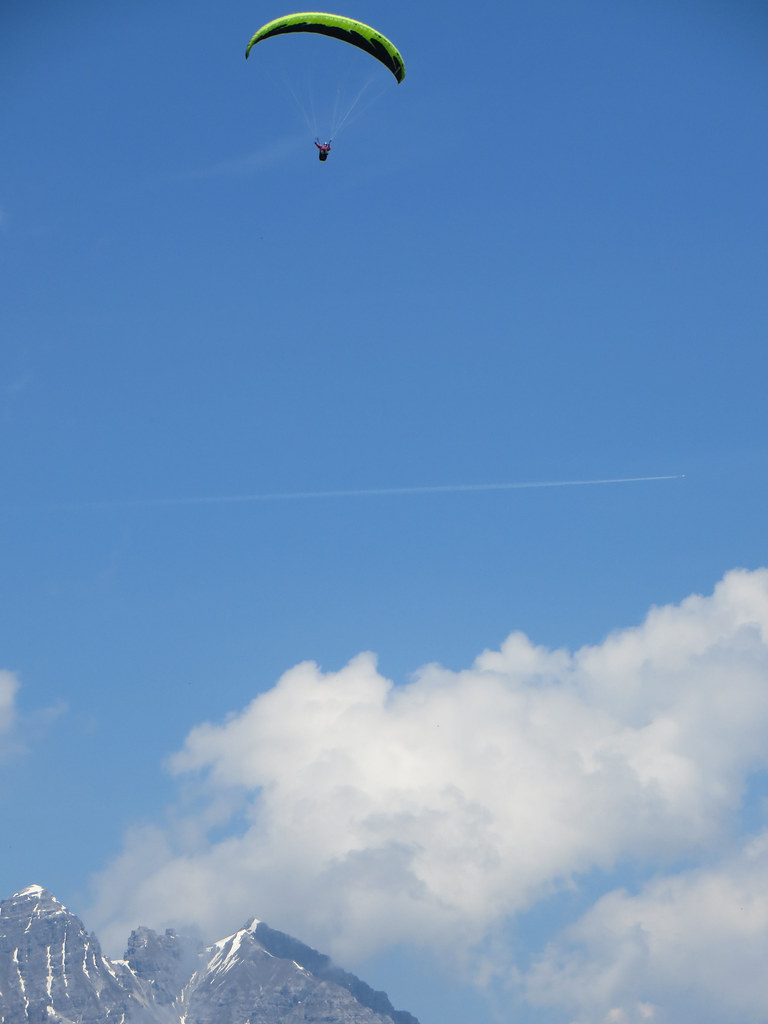
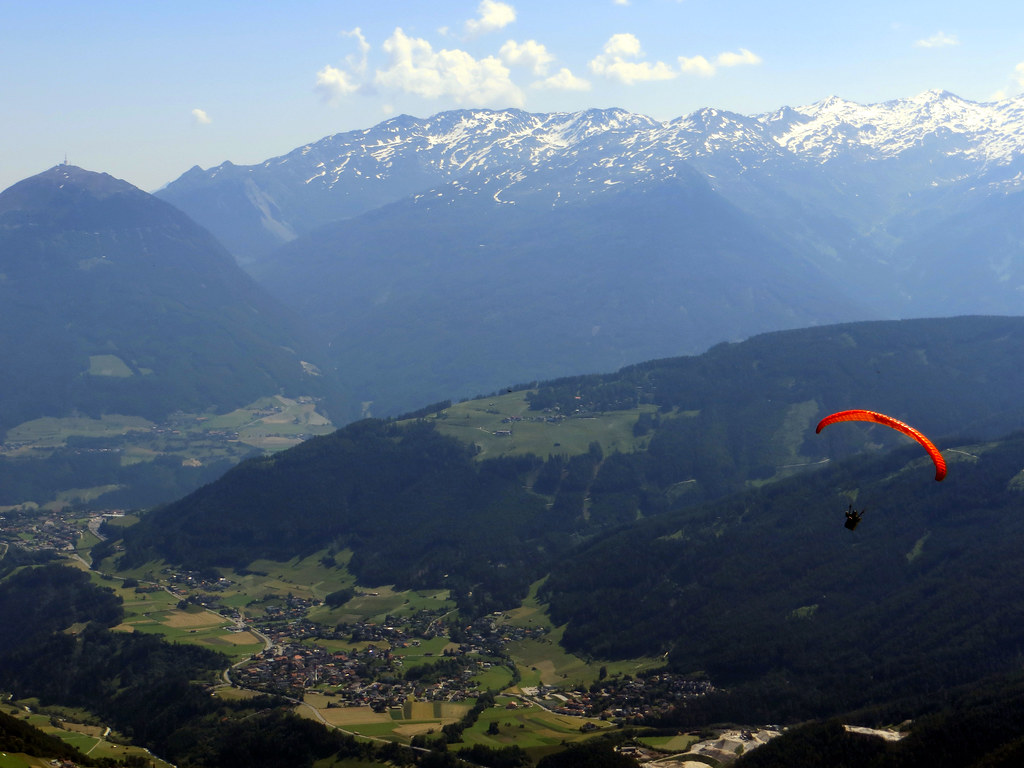
Then there's the checking of the cables to make sure there are no tangles, consultations about the wind and contact with some distant control point before the take-off is cleared.
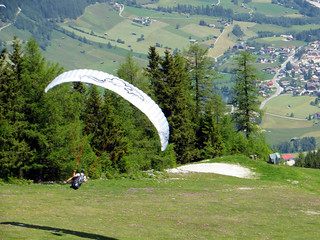
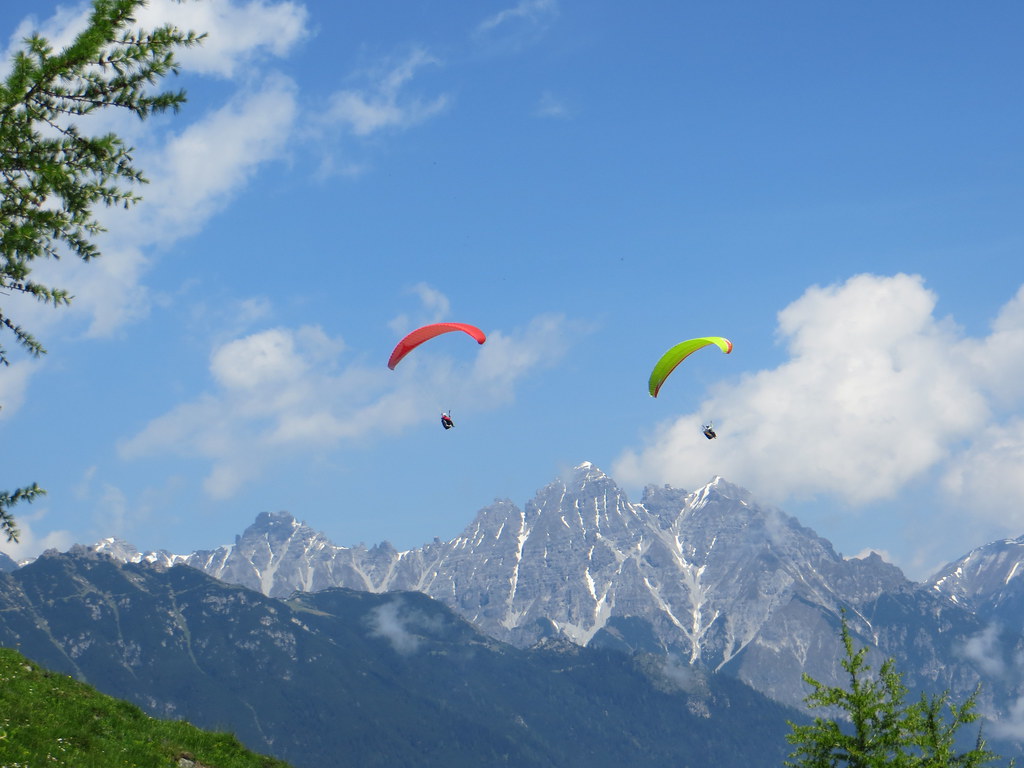
Then, they're flying way out over the valley - and in the heat that settled over Stubaital, like so much of central Europe, last week, the thermals were carrying the paragliders very high indeed. As you walk through the meadows and woods, the sun may suddenly be replaced by a shadow as one passes silently over; or you may suddenly spot one gliding through a grand vista. It's a magnificent sight - but I still wouldn't care to do it myself.

Tuesday, 25 June 2013
Munich


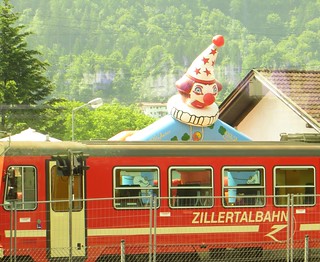
All too soon it was time for a quick and smooth train ride to Innsbruck, a journey mildly enlivened by the volubility of a lady who found her reservation worthless in the face of the fine old art of sitzfleischreservierung (once summed up to my mother in the North of England - I'm imagining an Ena Sharples type of matriarch here - as "It's bums saves seats, not bags") - and by the sight of this inflatable leering over a fence at the passing trains, bouncing merrily in a way that not only indicated he was in use as intended, but at first glance might have got a human arrested.
Thursday, 13 June 2013
Befuddled
Blame it on having to be up at silly o'clock for an early flight but, just for a second, I really did think the security person at Heathrow was asking if anyone's hand luggage contained any "liquids or taller trees".
Tuesday, 11 June 2013
Constable country
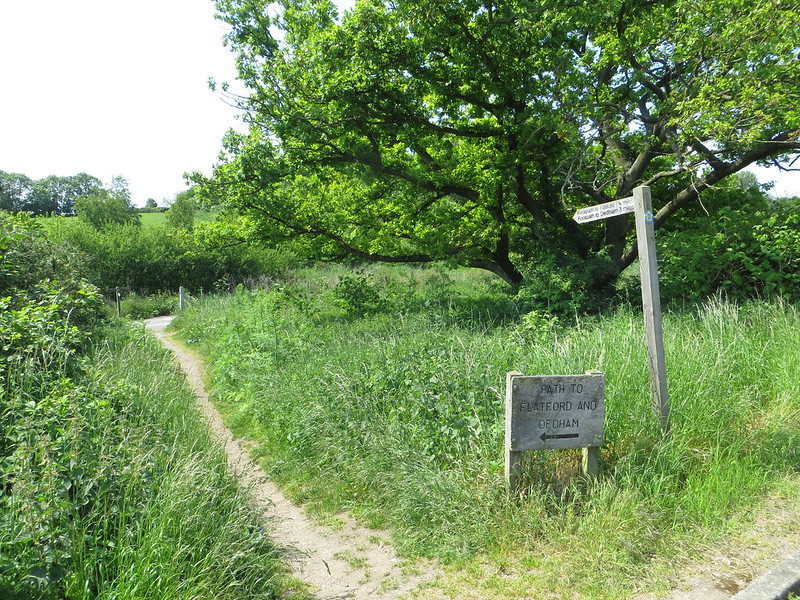 Barely an hour by train from London, it only takes a few steps in the right direction from the car-park at Manningtree station to find yourself in the middle of a landscape not so far removed from those of Constable.
Once the train has gone, the only sound is birdsong, and a distant cockerel. On the telephone wires, a kestrel carefully chooses its prey.
From here it's an easy enough walk through Dedham Vale to Dedham village for lunch, passing through Flatford Mill (and its National Trust tea-garden) both going and returning.
 On the way the path passes between hedgerows mostly of hawthorn and blackthorn, with here and there an oak standing proud, and wild roses in bud. Occasional breaks in the hedge for a gate allow glimpses into the fields and then the path comes out to the valley and water-meadows of the River Stour, and you could begin to imagine yourself into the views Constable depicted.
Passing on through drifts of cow parsley and other meadow flowers, I heard a cuckoo somewhere away in the woods.
 At Flatford Mill, the main buildings are in use as a field study centre, and the the all-important National Trust gift shop and tea-garden are attached to a small exhibition on Constable in the equally small Bridge Cottage. As you cross over the bridge, you can see boats for hire and the path that wanders on towards Dedham through the vale, but my way lay up the hill.
At last, through the hedge, there's a glimpse across the vale to Dedham church and finally, at the top, classic view of the whole of the vale becomes clear:

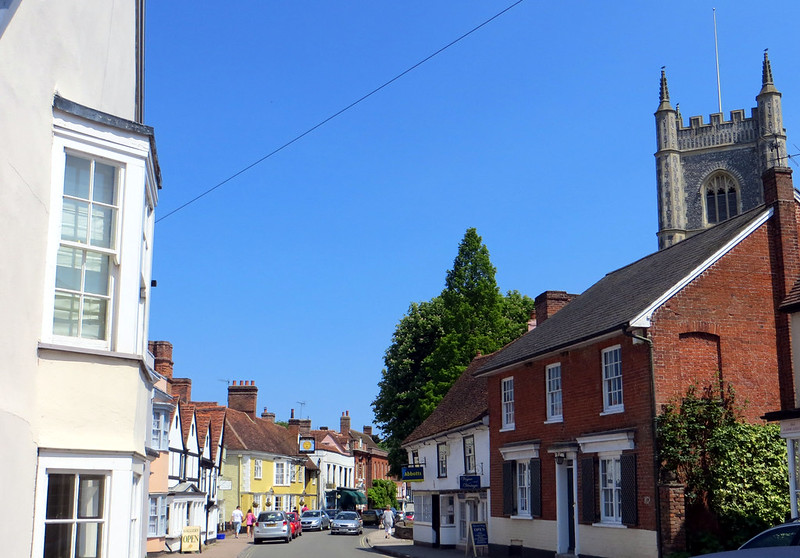
There's a choice of routes back to Flatford Mill, through the fields of full-flowered blackthorn and hawthorn and curious sheep, and plenty of time for tea (avoiding the mischievous ducks) before strolling back to the station.
Thursday, 6 June 2013

Subscribe to:
Posts (Atom)