Sunday, 14 July 2013


Thursday, 11 July 2013
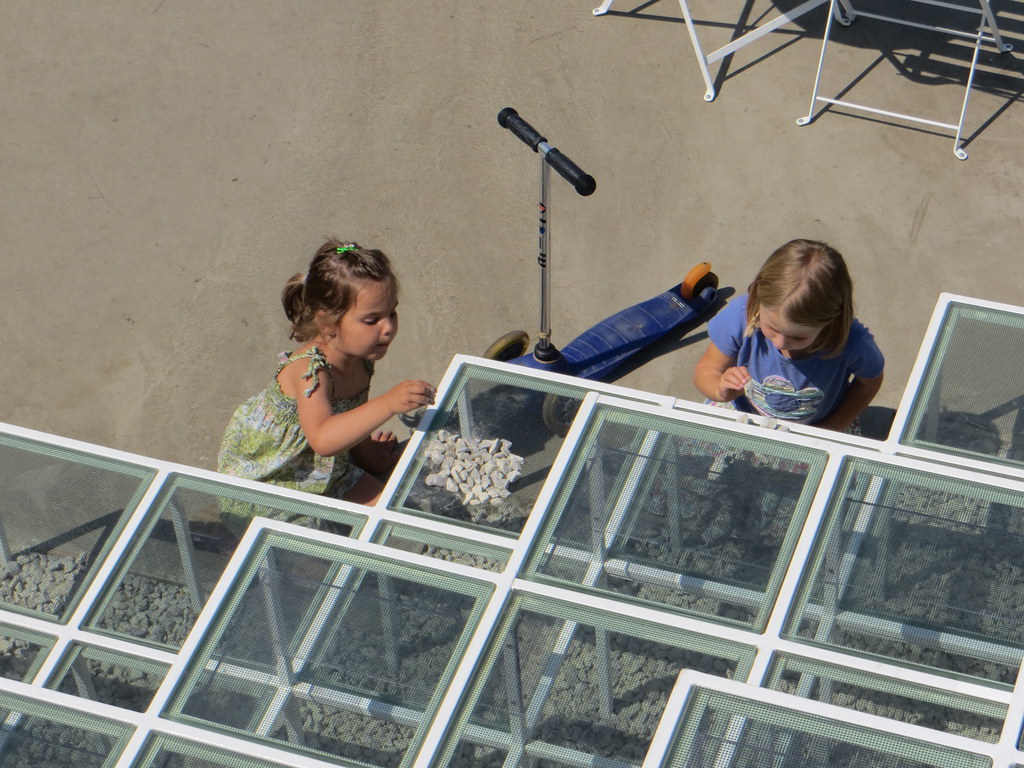
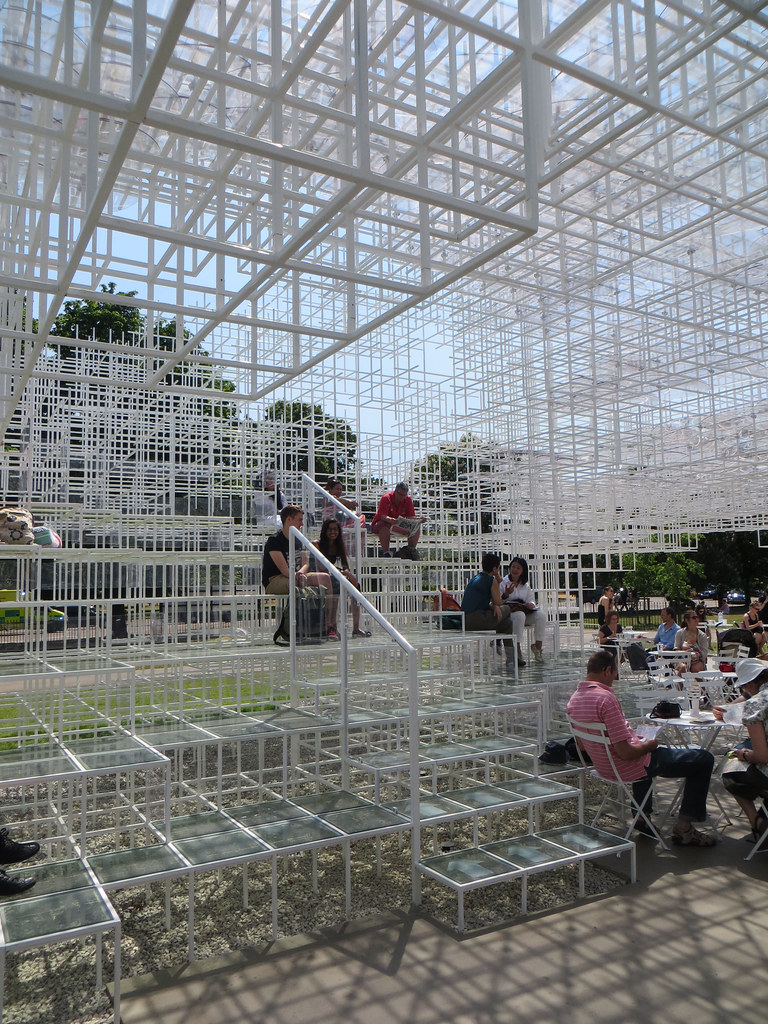
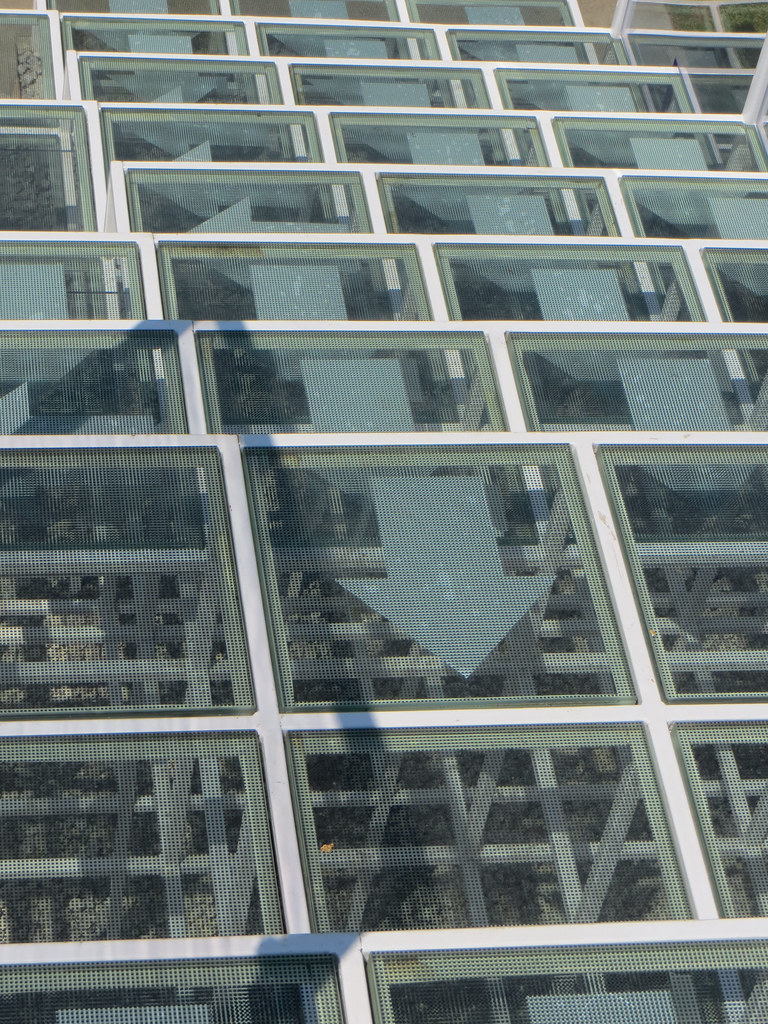
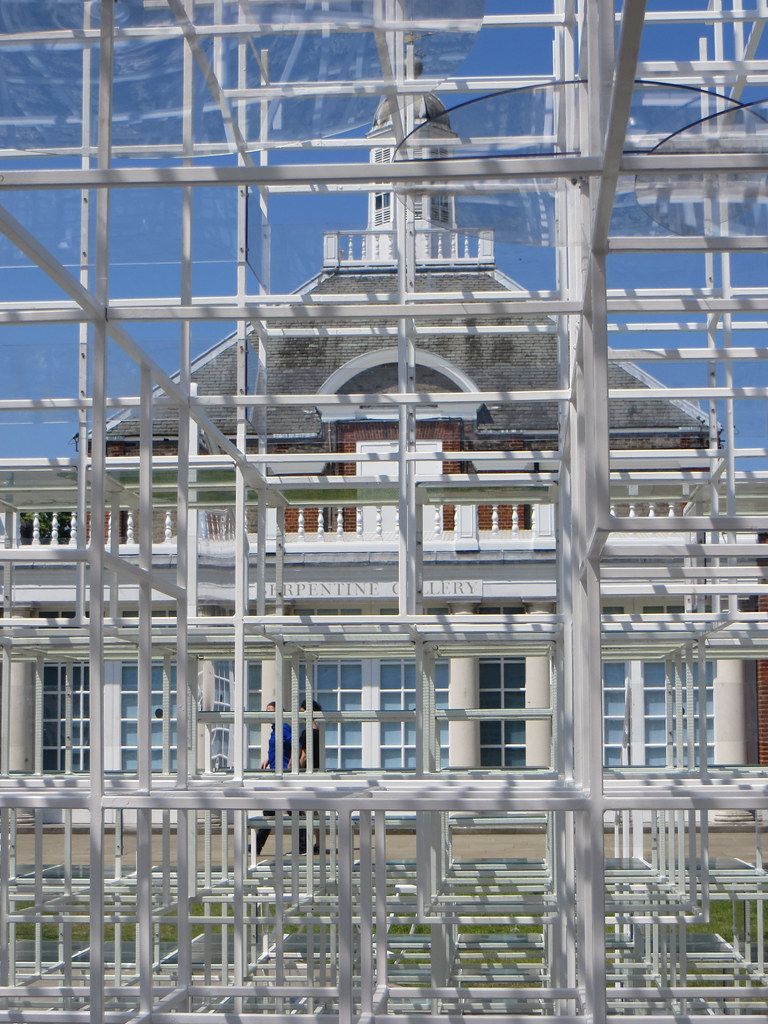
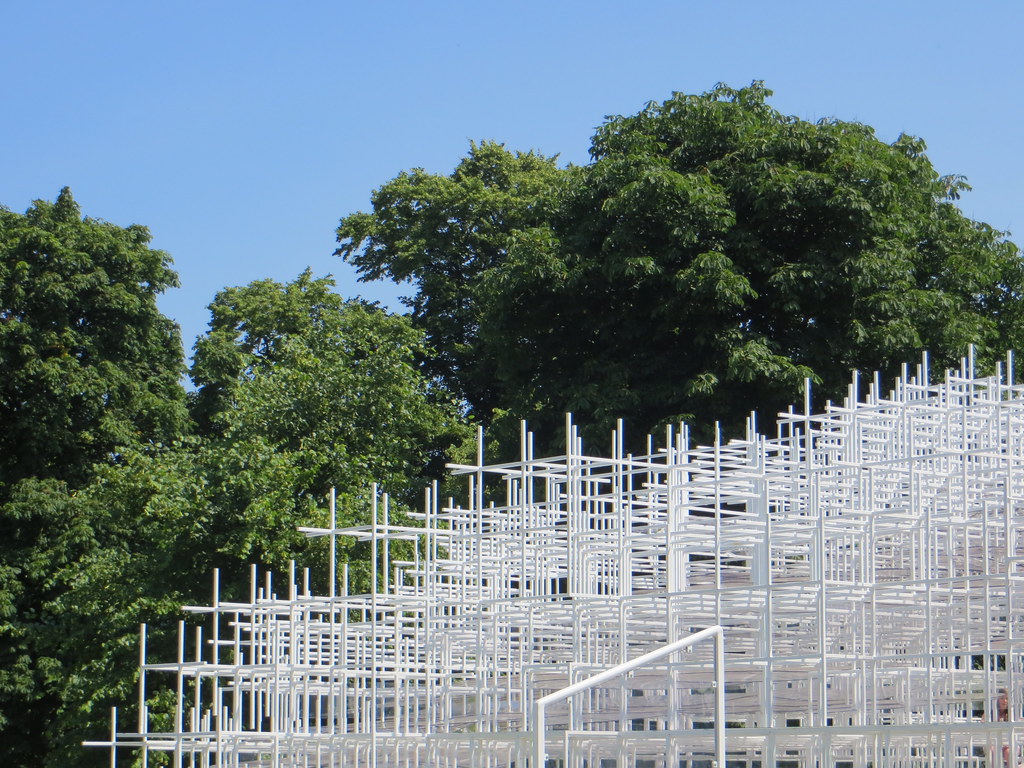
In, down, and (this year) up
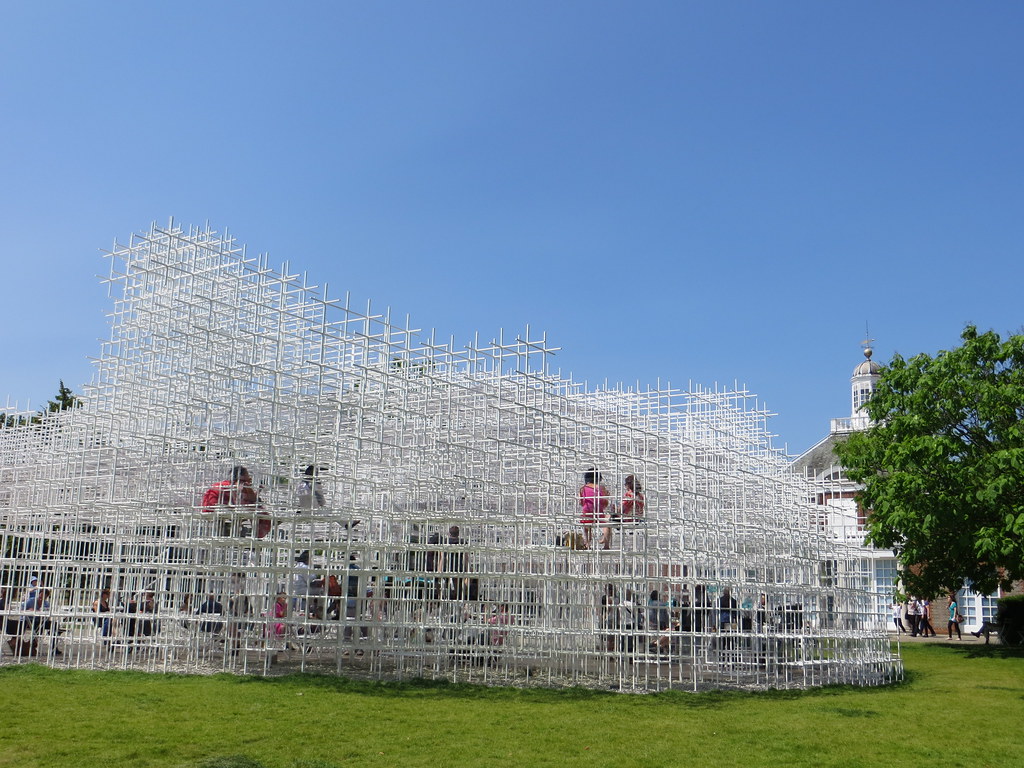
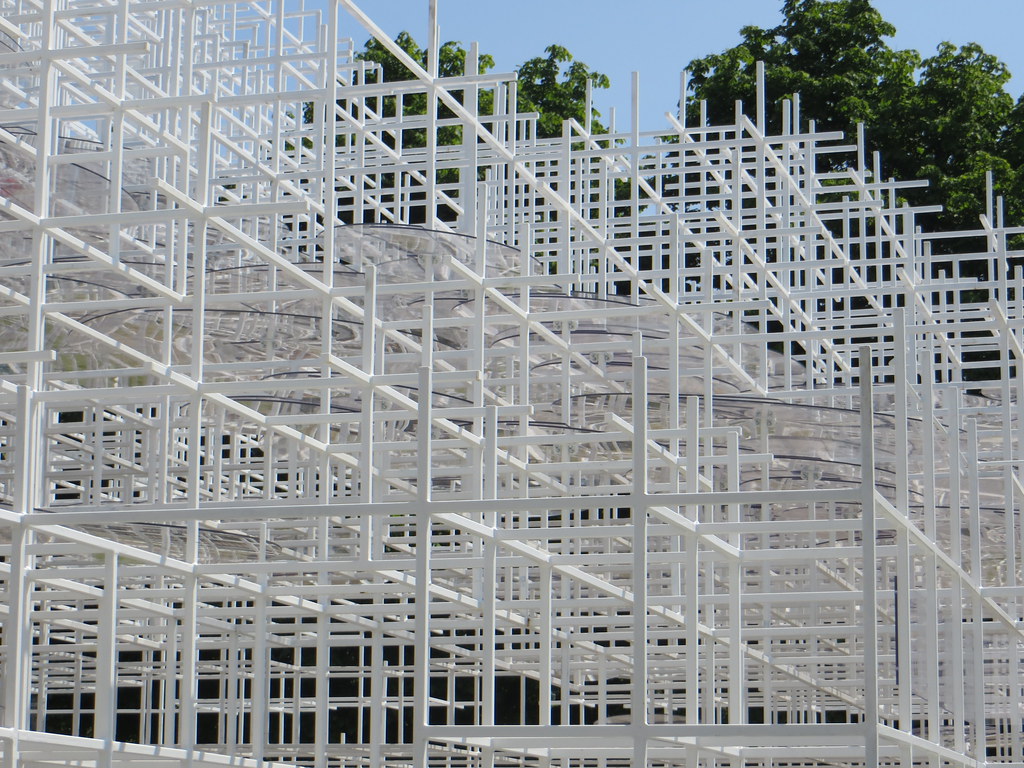
The artspeak intention is to create "an architectural landscape: a transparent terrain that encourages people to interact with and explore the site in diverse ways."
Wednesday, 10 July 2013
Two memorials
In St. Anne's Gardens, in Wardour St (one of those churchyards now laid out as a small park), there are memorials to two characters who couldn't be more different.
On the one hand, William Hazlitt, a serious-minded essayist and man of letters, who (according to the imposing modern memorial tablet)
and so it continues with similar solemnity, concluding "He lived and died the unconquered Champion of Truth, Liberty and Humanity".
But on the other hand there is a plaque to Theodore, King of Corsica, who seems to have lived up to Soho's more familiar raffish reputation. He died some 40 years before Hazlitt's birth
You might think this indicates some eighteenth-century con-man of the kind that even cons himself, but apparently not. He was a German soldier of fortune who persuaded a band of Corsican rebels against Genoese control that he could lead their battles and free them - if they would make him their king, which they duly did. The enterprise didn't last for more than a few months, despite repeated subsequent attempts on his part to regain control of the island from the French and the Genoese; ultimately, the debtors' prison and death caught up with him. The bereft Corsicans went on to create their own republic, before discovering the Genoese had sold them to the French monarchy (and later that their French fellow-revolutionaries considered republicanism an even greater reason for considering them part of France, which led some Corsicans to support a British protectorate with George III as nominal King - whether anyone in Britain thought that might get Theodore's debts repaid, I have no idea).
Theodore, meanwhile, became the hero of an opera.
On the one hand, William Hazlitt, a serious-minded essayist and man of letters, who (according to the imposing modern memorial tablet)
lived to see his deepest wishes gratified as he has expressed them in his Essay on the Fear of Death, viz.
'To see the downfall of the Bourbons and some prospect of good to mankind' (Charles X was driven from France 29th July 1830)
'To leave some sterling work to the world' (He lived to complete his life of Napoleon)
and so it continues with similar solemnity, concluding "He lived and died the unconquered Champion of Truth, Liberty and Humanity".
But on the other hand there is a plaque to Theodore, King of Corsica, who seems to have lived up to Soho's more familiar raffish reputation. He died some 40 years before Hazlitt's birth
immediately after leaving the Kings Bench Prison by the benefit of the Act of Insolvency in consequence of which he registered his Kingdom of Corsica for the use of his creditors.
You might think this indicates some eighteenth-century con-man of the kind that even cons himself, but apparently not. He was a German soldier of fortune who persuaded a band of Corsican rebels against Genoese control that he could lead their battles and free them - if they would make him their king, which they duly did. The enterprise didn't last for more than a few months, despite repeated subsequent attempts on his part to regain control of the island from the French and the Genoese; ultimately, the debtors' prison and death caught up with him. The bereft Corsicans went on to create their own republic, before discovering the Genoese had sold them to the French monarchy (and later that their French fellow-revolutionaries considered republicanism an even greater reason for considering them part of France, which led some Corsicans to support a British protectorate with George III as nominal King - whether anyone in Britain thought that might get Theodore's debts repaid, I have no idea).
Theodore, meanwhile, became the hero of an opera.
Tuesday, 9 July 2013

Monday, 8 July 2013
Still ploughing through the last bits of Saturday's multi-supplement newspaper (I bought it, so I owe it to myself to get my money's worth), it occurs to me - once print newspapers have become whatever they're going to be as the internet develops, how different will the reading experience be?
When it takes a bit of effort to work out the logic of how the stories are organised on a website or an app, and seeing only a fairly truncated part of any one story at any one time, what happens to the compulsion to try to take it all in? How involved can you feel when there are an unlimited number of (often moronic) comments to plough through?
I can't say I've compared any one print edition with the internet equivalent, but the latter certainly feels like thinner, less engaging, gruel. And it's no good for any of the things waste paper can be used for.
When it takes a bit of effort to work out the logic of how the stories are organised on a website or an app, and seeing only a fairly truncated part of any one story at any one time, what happens to the compulsion to try to take it all in? How involved can you feel when there are an unlimited number of (often moronic) comments to plough through?
I can't say I've compared any one print edition with the internet equivalent, but the latter certainly feels like thinner, less engaging, gruel. And it's no good for any of the things waste paper can be used for.
Saturday, 6 July 2013
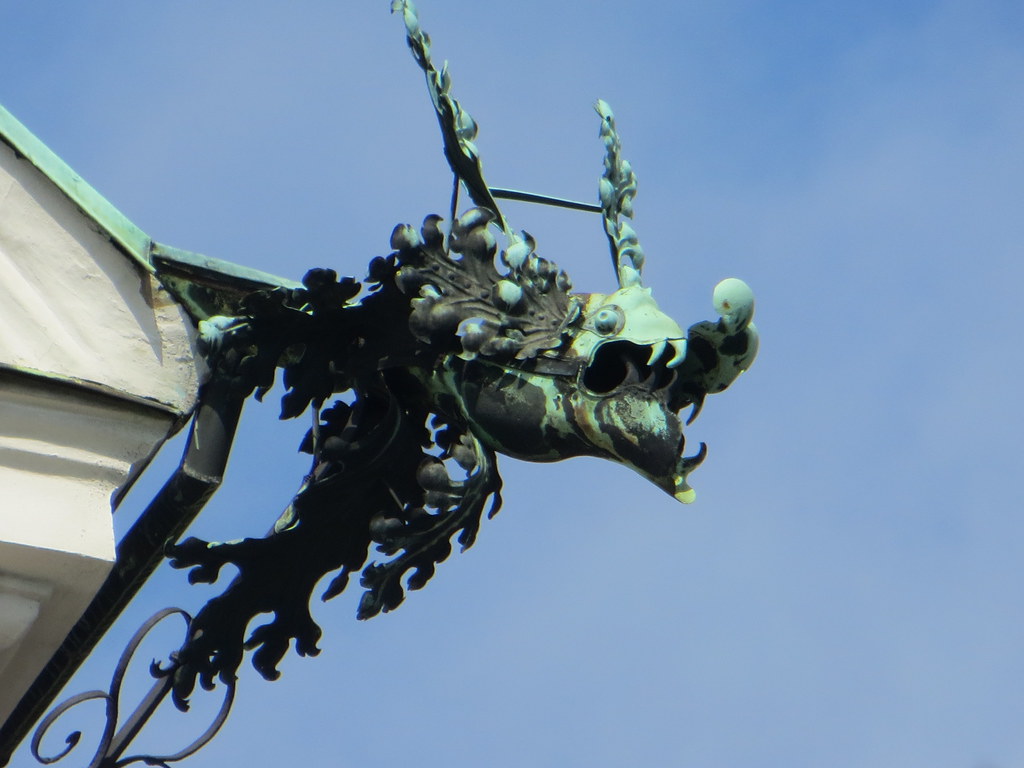
Gargoyles

Wikipedia tells me (so it must be true) that the word "gargoyle" derives from "La Gargouille", a dragon from which a Merovingian saint delivered the city of Rouen, following which its head was attached to the church to ward off evil spirits.
Some of these particular dragons look as though they could scare off just about anything:
Thursday, 4 July 2013
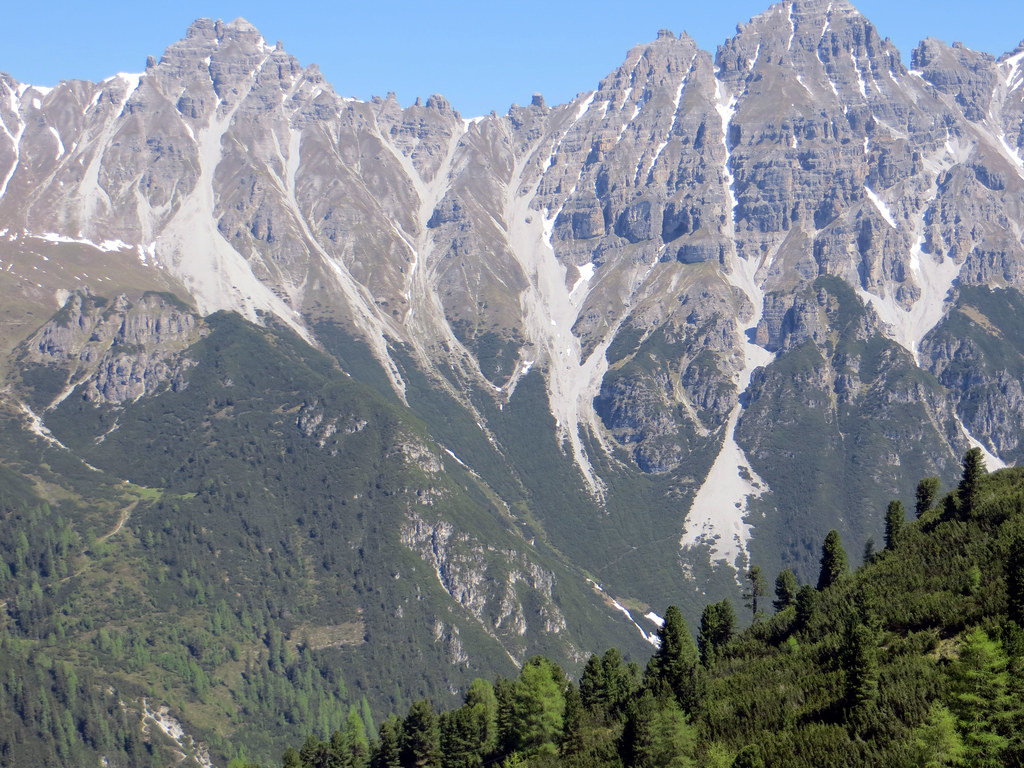
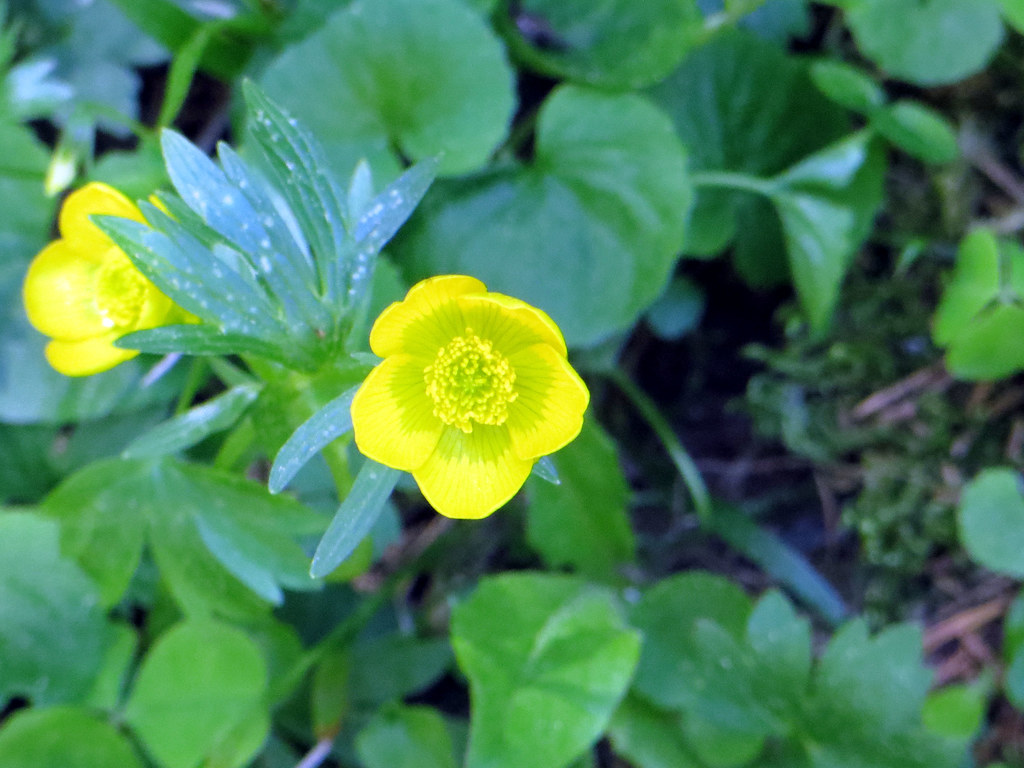
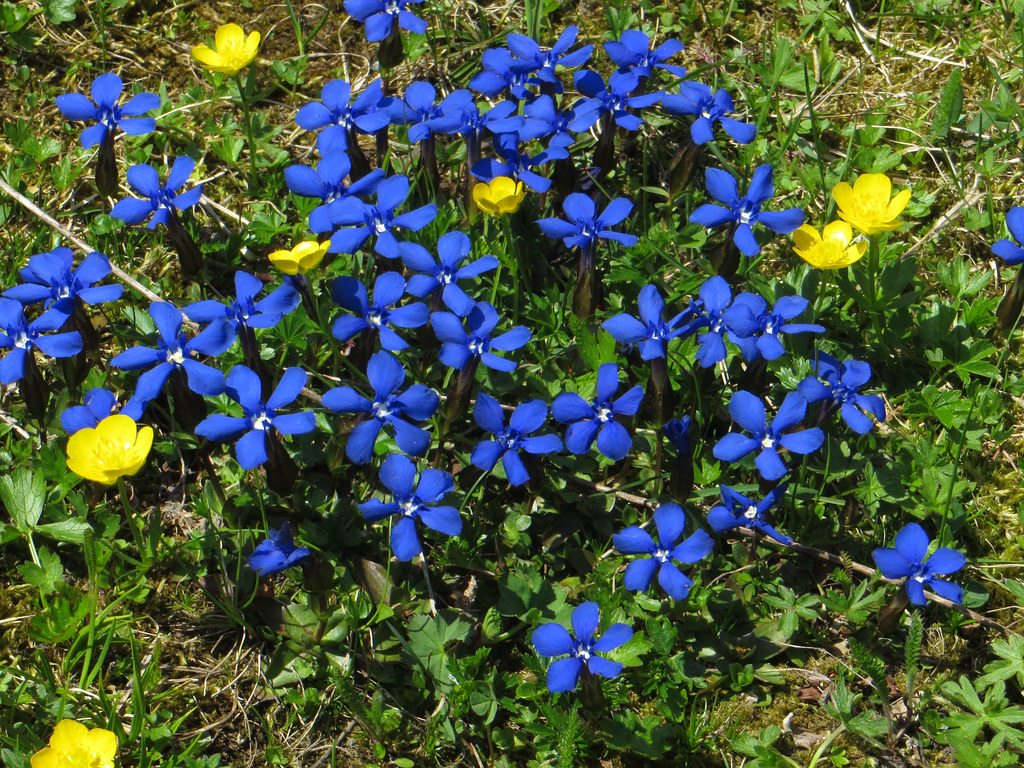
Mountains and flowers

(Click on a photo for a full-size view)

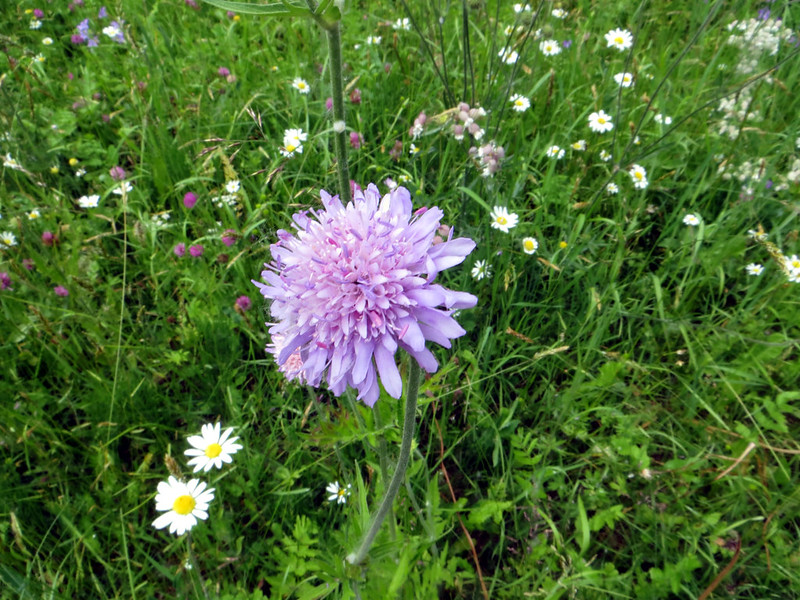
However small they are, though, the intensity of colour draws the eye (and, no doubt, more importantly the pollinating insects).







Friday, 28 June 2013
Painted houses
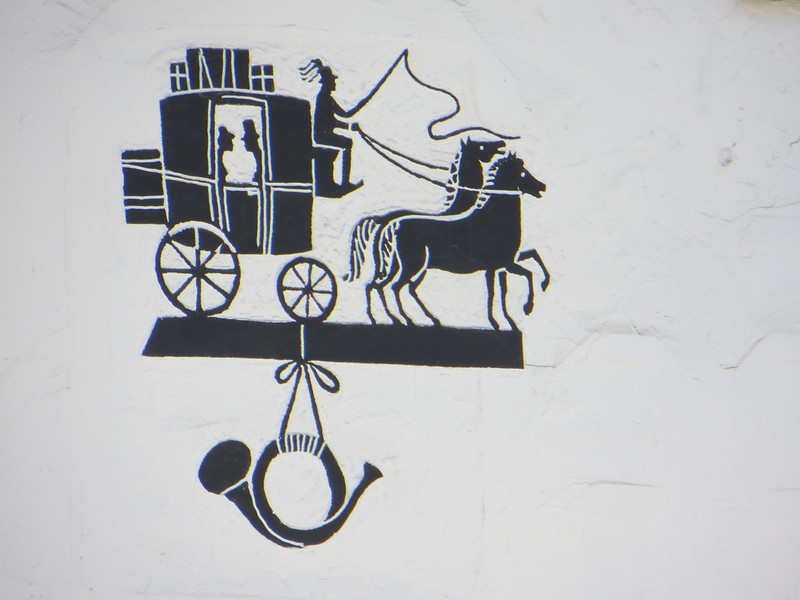
One noticeable custom in the Tirol, and for all I know elsewhere in Austria and southern Germany, is painting pictures on the otherwise plain white plaster or mortar exterior.  It may be just for decoration, or often a painting of the Madonna or saints, sometimes of some allegorical or perhaps local reference, and sometimes to announce the function of the building, as in this modern addition to a village post office.
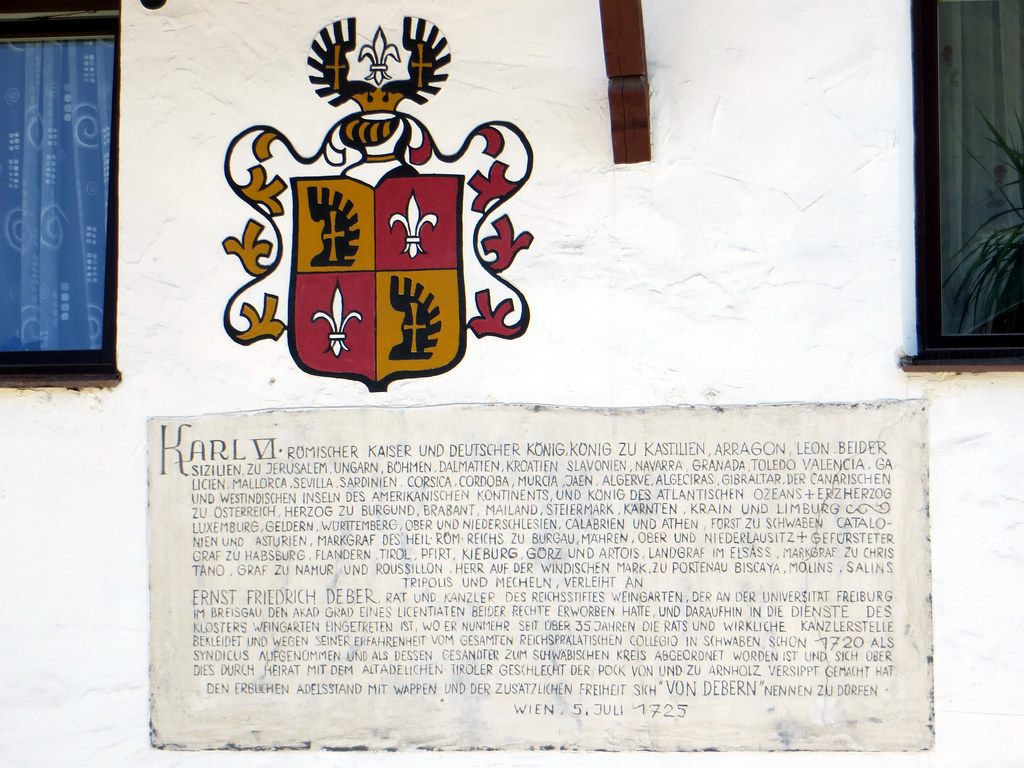
The same wall has a much older, and much less modest announcement. A previous owner clearly wished to show how important he had become, and where that importance was derived from, in an inscription which reads:

The same wall has a much older, and much less modest announcement. A previous owner clearly wished to show how important he had become, and where that importance was derived from, in an inscription which reads:
Karl VI, Roman Emperor and German King, King in Castile, Aragon, Leon, the Two Sicilies, in Jerusalem, Bohemia, Dalmatia, Croatia, Slavonia, Navarre, Granada, Toledo, Valencia, Galicia, Mallorca, Seville, Sardinia, Corsica, Cordoba, Murcia, Jaen, Algarve, Algeciras, Gibraltar, of the Canaries and West Indian Islands of the American Continent, and King of the Atlantic Ocean; Archduke in Austria, Duke in Burgundy, Brabant, Milan, Styria, Carinthia, Krain and Limburg, Luxembourg, Geldern, Wurttemberg, Upper and Lower Silesia, Calabria and Athens, Prince in Swabia, Catalonia and Asturias, Margrave of the Holy Roman Empire in Burgau, Moravia, Upper and Lower Lausitz, Prince-Count in Habsburg, Flanders, Tirol, Pfirt, Kieburg, Gorz and Artois, Landgrave in Alsace, Margave in Christano, Count in Namur and Roussillon, Lord of the Wendish March, in Portenau, Biscaya, Molins, Salins, Tripolis and Mechelen,
grants to ERNST FRIEDRICH DEBER, Counsellor and Chancellor of the Weingarten Imperial Foundation, who achieved the academic degree of Licentiate in Laws from the University of Freiburg im Breisgau and thereupon entered the service of the Weingarten Monastery, where he has now occupied for 35 years the post of Counsellor and Real Chancellor, and on account of his experience of the entire Imperial Prelatic College in Swabia was accepted as Syndicus in 1720 and as such appointed as representative to the Swabian community and related himself by marriage to the ancient and noble family of Pock von und zu Arnholz,
hereditary rank of nobility with arms and the additional freedom to style himself "VON DEBERN".
Vienna, 5 July 1725.
Wednesday, 26 June 2013
Paragliders

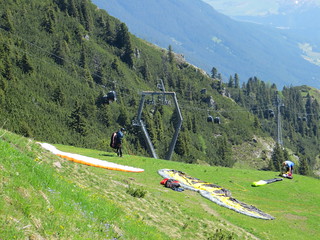
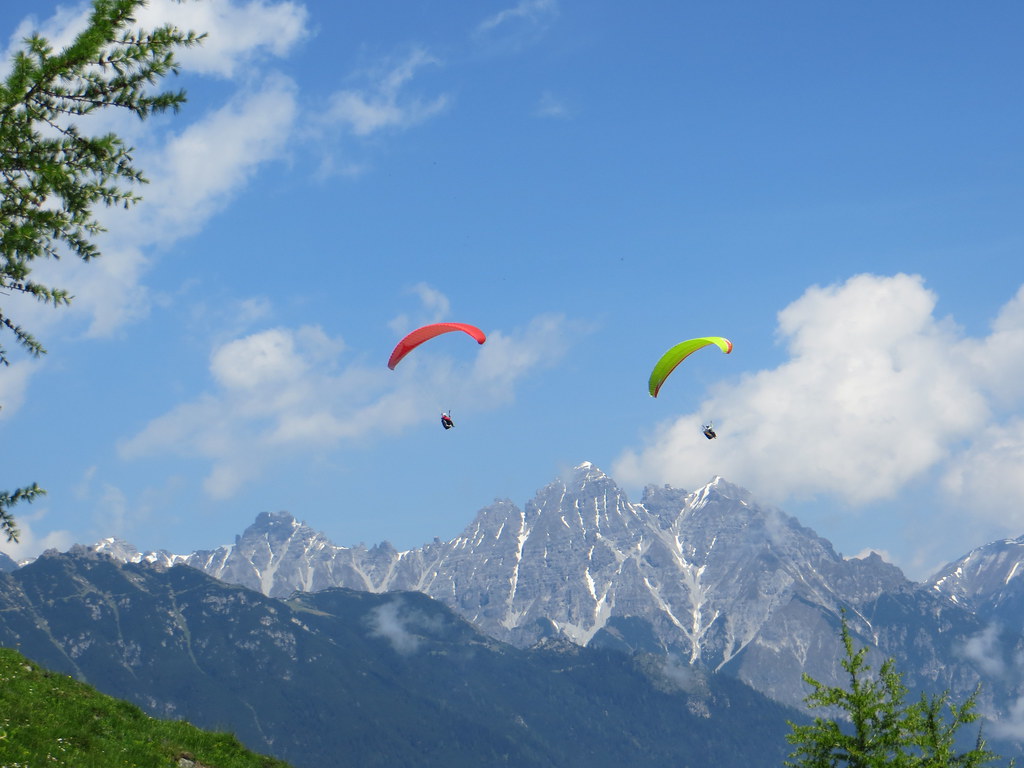
Then there's the checking of the cables to make sure there are no tangles, consultations about the wind and contact with some distant control point before the take-off is cleared.
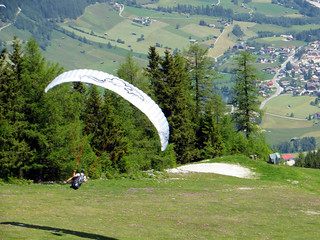
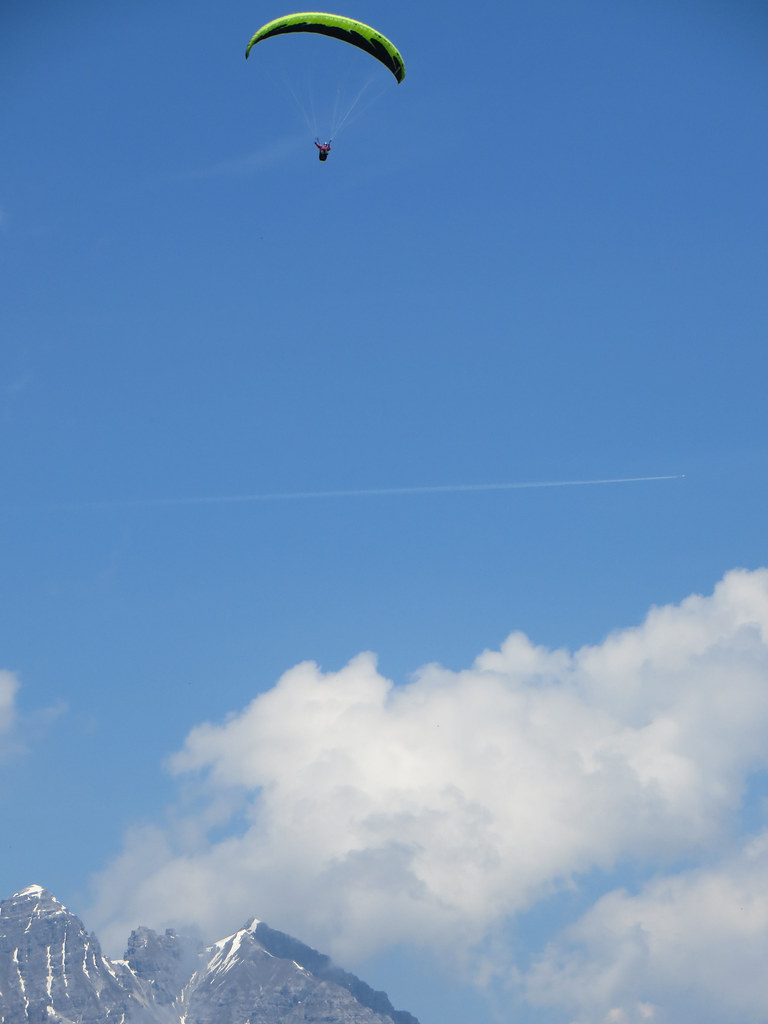
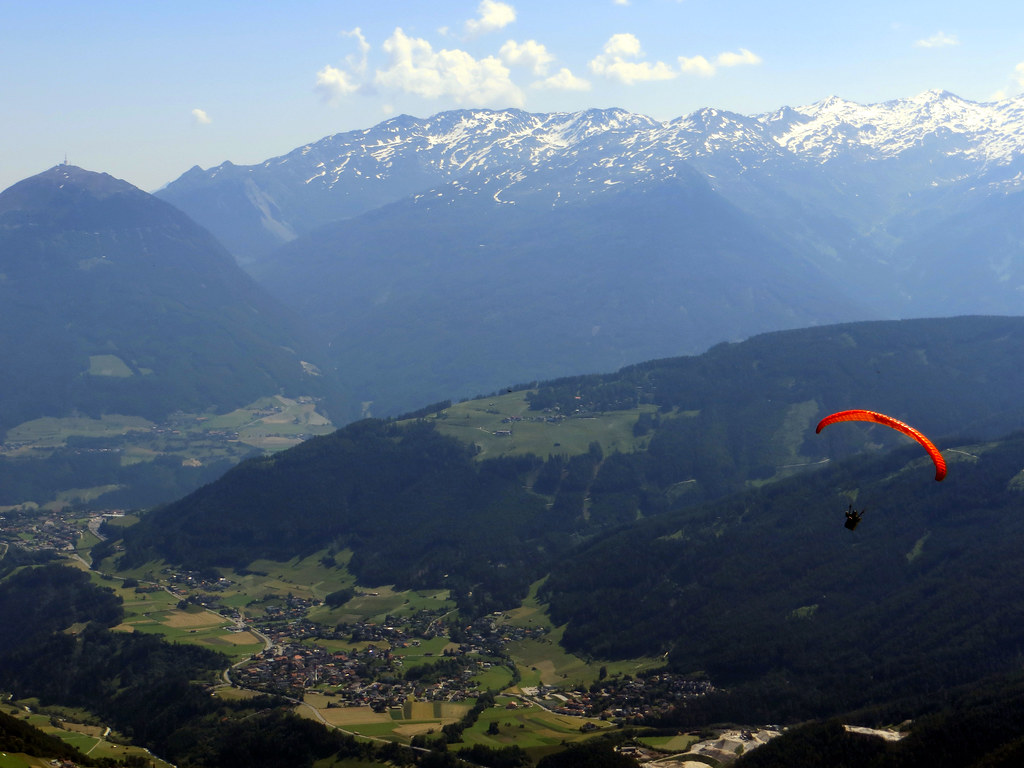
Then, they're flying way out over the valley - and in the heat that settled over Stubaital, like so much of central Europe, last week, the thermals were carrying the paragliders very high indeed. As you walk through the meadows and woods, the sun may suddenly be replaced by a shadow as one passes silently over; or you may suddenly spot one gliding through a grand vista. It's a magnificent sight - but I still wouldn't care to do it myself.

Tuesday, 25 June 2013
Munich


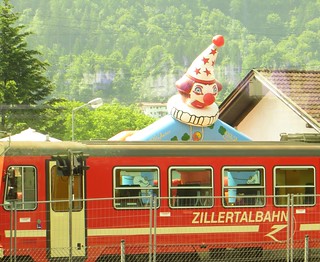
All too soon it was time for a quick and smooth train ride to Innsbruck, a journey mildly enlivened by the volubility of a lady who found her reservation worthless in the face of the fine old art of sitzfleischreservierung (once summed up to my mother in the North of England - I'm imagining an Ena Sharples type of matriarch here - as "It's bums saves seats, not bags") - and by the sight of this inflatable leering over a fence at the passing trains, bouncing merrily in a way that not only indicated he was in use as intended, but at first glance might have got a human arrested.
Thursday, 13 June 2013
Befuddled
Blame it on having to be up at silly o'clock for an early flight but, just for a second, I really did think the security person at Heathrow was asking if anyone's hand luggage contained any "liquids or taller trees".
Tuesday, 11 June 2013
Constable country
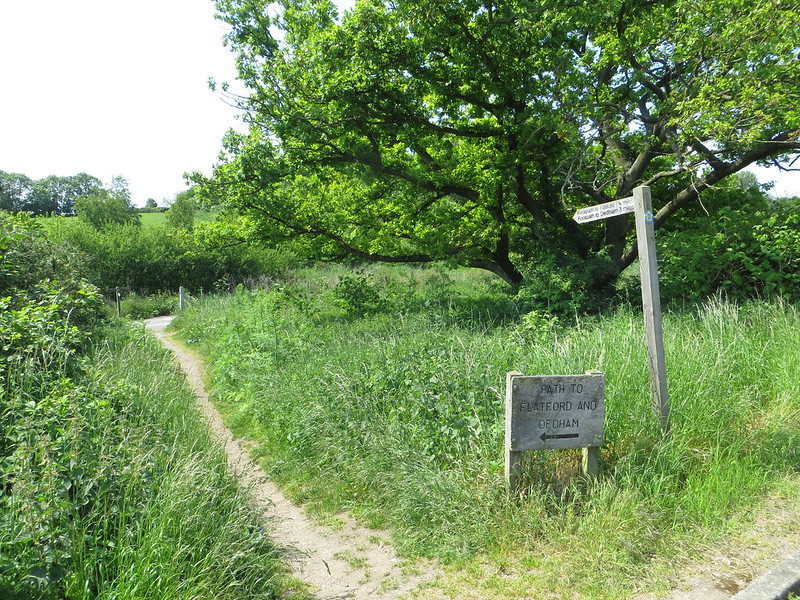 Barely an hour by train from London, it only takes a few steps in the right direction from the car-park at Manningtree station to find yourself in the middle of a landscape not so far removed from those of Constable.
Once the train has gone, the only sound is birdsong, and a distant cockerel. On the telephone wires, a kestrel carefully chooses its prey.
From here it's an easy enough walk through Dedham Vale to Dedham village for lunch, passing through Flatford Mill (and its National Trust tea-garden) both going and returning.
 On the way the path passes between hedgerows mostly of hawthorn and blackthorn, with here and there an oak standing proud, and wild roses in bud. Occasional breaks in the hedge for a gate allow glimpses into the fields and then the path comes out to the valley and water-meadows of the River Stour, and you could begin to imagine yourself into the views Constable depicted.
Passing on through drifts of cow parsley and other meadow flowers, I heard a cuckoo somewhere away in the woods.
 At Flatford Mill, the main buildings are in use as a field study centre, and the the all-important National Trust gift shop and tea-garden are attached to a small exhibition on Constable in the equally small Bridge Cottage. As you cross over the bridge, you can see boats for hire and the path that wanders on towards Dedham through the vale, but my way lay up the hill.
At last, through the hedge, there's a glimpse across the vale to Dedham church and finally, at the top, classic view of the whole of the vale becomes clear:

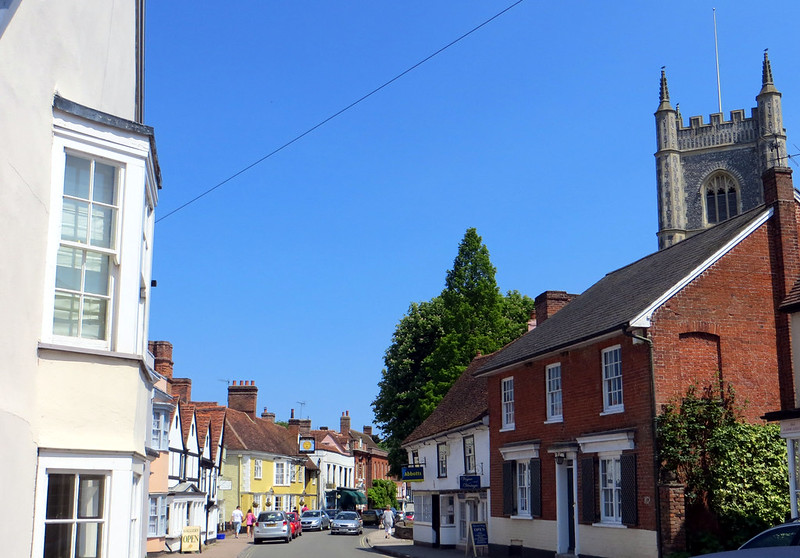
There's a choice of routes back to Flatford Mill, through the fields of full-flowered blackthorn and hawthorn and curious sheep, and plenty of time for tea (avoiding the mischievous ducks) before strolling back to the station.
Thursday, 6 June 2013

Saturday, 1 June 2013
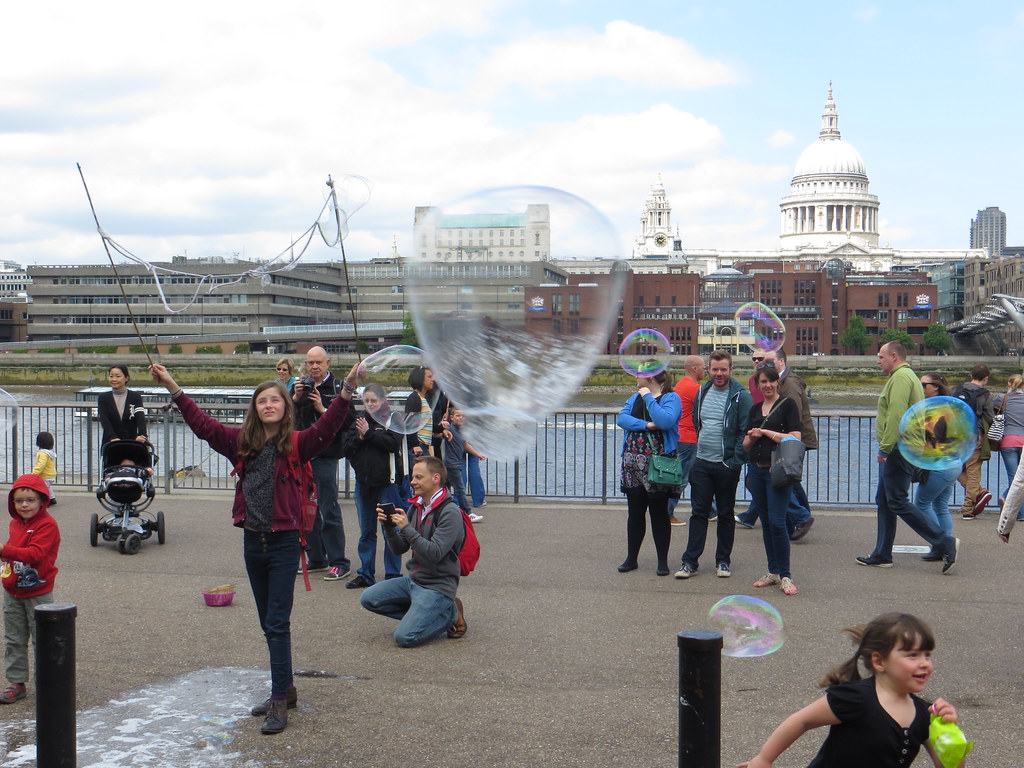
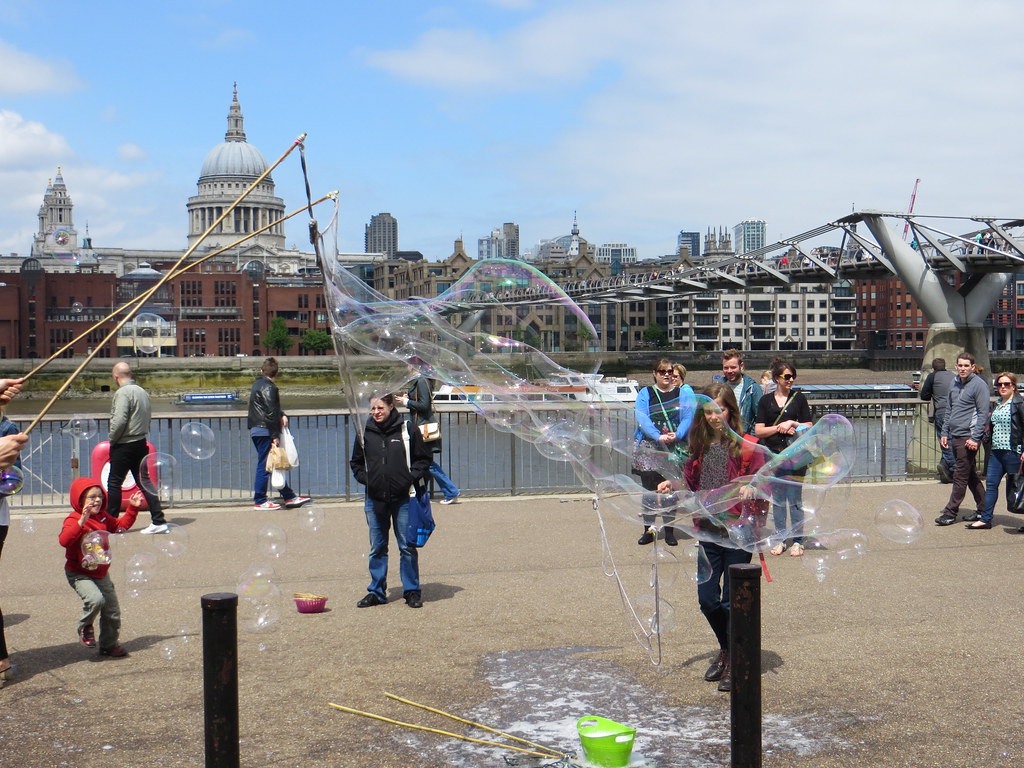
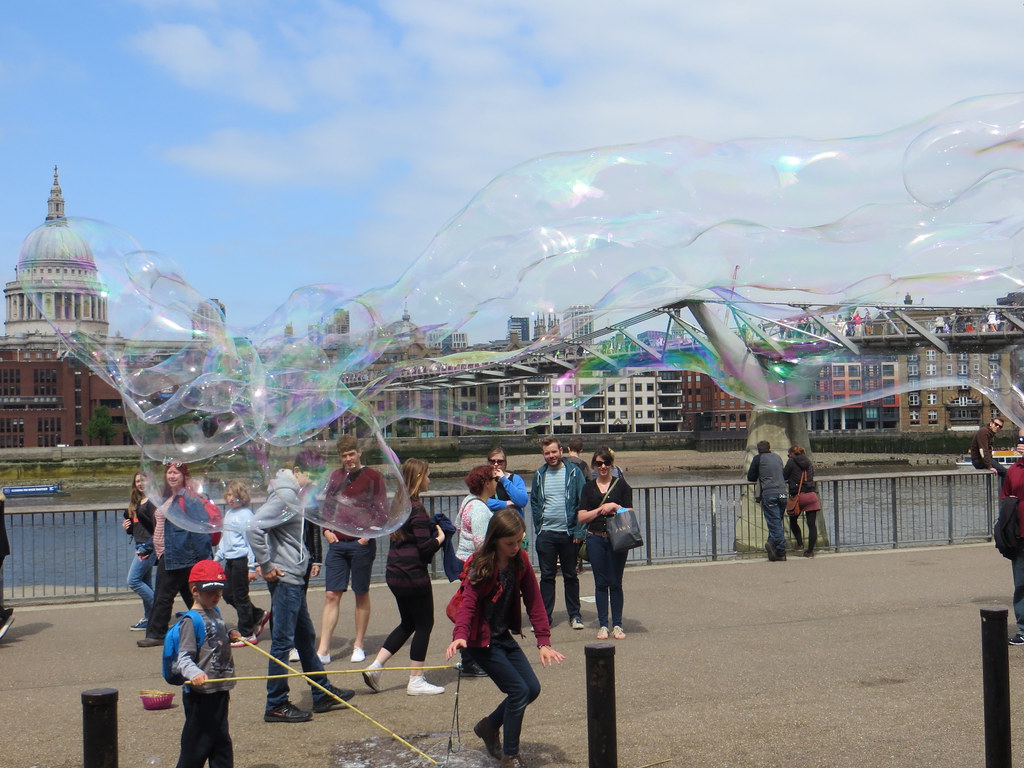
Wednesday, 15 May 2013
But then....
First a bang, then a jolting and a loss of power as the train glided to a halt between stations. Silence, as we looked out to the golf course on one side and, on the other, a dull piece of heath-land with the wind shaking the trees and grasses, or went on reading, dozing or tapping away at something electronic.
Soon, the guard came through with a "Sorry, we'll let you know as soon as we know anything", which was all he could say, and came back to do so rather too often. Eventually, it became clear that what most of us had probably guessed was all too true: someone had managed to cross the trackside fencing and had been hit by the train.
Almost at once, an instant case study in human behaviour: two quiet and conventional ladies perking up to discuss the grisly implications with a certain shamefaced relish, the impatient chuntering that the police and emergency services weren't instantly on hand - and not from the red-faced man and his wife all done up for a black-tie do, ensconced in the residual first-class compartment, but from an apparently laid-back young man who was, shall we say, not exactly dressed for self-importance. And me? I had a book to finish reading.
Eventually, police and emergency service people appeared, walking along the track, and attending to whatever they had to do, and finally the train company's emergency team got on board. Quite apart from the initial tragedy, and whatever the effect it must have had on the driver, it appeared that the collision had damaged the train itself.
It was about two hours before all the necessary inspections and re-arrangements had been done, and the train was able to move us all to a station where we could join another to take us back to London. All in all, it was three hours later than expected that I got home.
But somebody didn't - and what's three hours against a life?
Soon, the guard came through with a "Sorry, we'll let you know as soon as we know anything", which was all he could say, and came back to do so rather too often. Eventually, it became clear that what most of us had probably guessed was all too true: someone had managed to cross the trackside fencing and had been hit by the train.
Almost at once, an instant case study in human behaviour: two quiet and conventional ladies perking up to discuss the grisly implications with a certain shamefaced relish, the impatient chuntering that the police and emergency services weren't instantly on hand - and not from the red-faced man and his wife all done up for a black-tie do, ensconced in the residual first-class compartment, but from an apparently laid-back young man who was, shall we say, not exactly dressed for self-importance. And me? I had a book to finish reading.
Eventually, police and emergency service people appeared, walking along the track, and attending to whatever they had to do, and finally the train company's emergency team got on board. Quite apart from the initial tragedy, and whatever the effect it must have had on the driver, it appeared that the collision had damaged the train itself.
It was about two hours before all the necessary inspections and re-arrangements had been done, and the train was able to move us all to a station where we could join another to take us back to London. All in all, it was three hours later than expected that I got home.
But somebody didn't - and what's three hours against a life?
Tuesday, 14 May 2013
Guinea pig on wheels
It looked like an interesting day out of London, or at least something different: being one of a bunch of test cyclists for the Transport Research Laboratory's mock-up of a separated cycle path running round the outside of a traffic roundabout. However, no photos or videos are allowed, and they'd rather anyone else didn't know too much about what they're looking at, for fear of biasing the way people behave in or react to the tests.
Enough to say it involved using one of their bikes (acquired from the London cycle hire scheme) for a couple of sessions performing various possible ways of using the roundabout, with different forms of entrance to and exit from the cycle lane, and cars making their own way round, with stops to check reactions after each test, and a questionnaire at the end.
As ever in experiments and surveys, it doesn't seem possible that any individual reaction could tell them much, not least because in my usual blithe over-confidence, I wasn't particularly noticing the various subtle differences in layout and markings (perhaps that was the point). I did suggest it might need some more realistic circumstances (the odd pedestrian stepping out without looking, motorists jumping the give way lines, van drivers cutting in unexpectedly - that sort of thing); but they just smiled politely.
Still, there was a cup of tea, a chocolate biscuit, and time to chat about things like the quirks of recumbent bikes, Horrific Accidents I Have Known, and when it will be economically feasible for the cycle hire stands to be equipped with one of these newfangled 3D "printers" to produce cycle helmets on demand.
Oh, and £50 for expenses. Did I not mention that?
It was all over at a civilised hour, but then the limitations of public transport outside London became clear: buses only every half hour, and a slight delay en route meaning a half-hour wait for the next London train. That would have been the sum total of that observation, but then.................. (to be continued)
Enough to say it involved using one of their bikes (acquired from the London cycle hire scheme) for a couple of sessions performing various possible ways of using the roundabout, with different forms of entrance to and exit from the cycle lane, and cars making their own way round, with stops to check reactions after each test, and a questionnaire at the end.
As ever in experiments and surveys, it doesn't seem possible that any individual reaction could tell them much, not least because in my usual blithe over-confidence, I wasn't particularly noticing the various subtle differences in layout and markings (perhaps that was the point). I did suggest it might need some more realistic circumstances (the odd pedestrian stepping out without looking, motorists jumping the give way lines, van drivers cutting in unexpectedly - that sort of thing); but they just smiled politely.
Still, there was a cup of tea, a chocolate biscuit, and time to chat about things like the quirks of recumbent bikes, Horrific Accidents I Have Known, and when it will be economically feasible for the cycle hire stands to be equipped with one of these newfangled 3D "printers" to produce cycle helmets on demand.
Oh, and £50 for expenses. Did I not mention that?
It was all over at a civilised hour, but then the limitations of public transport outside London became clear: buses only every half hour, and a slight delay en route meaning a half-hour wait for the next London train. That would have been the sum total of that observation, but then.................. (to be continued)
Sunday, 5 May 2013
Saturday, 4 May 2013
Friday, 3 May 2013
Thursday, 2 May 2013
Domes
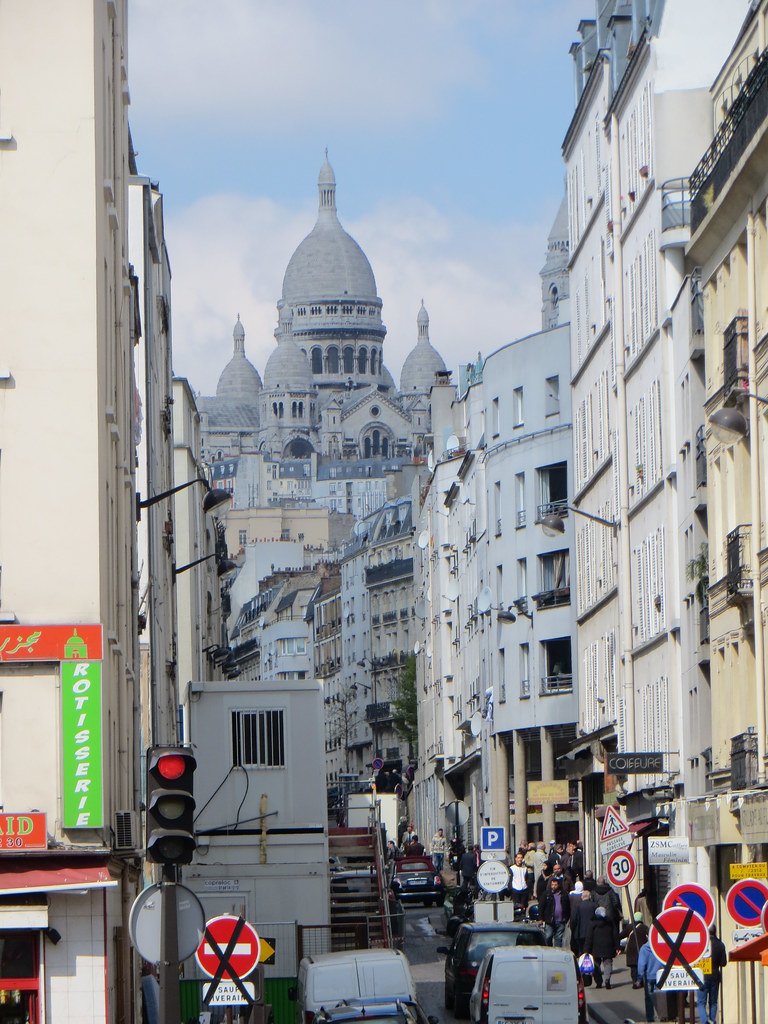
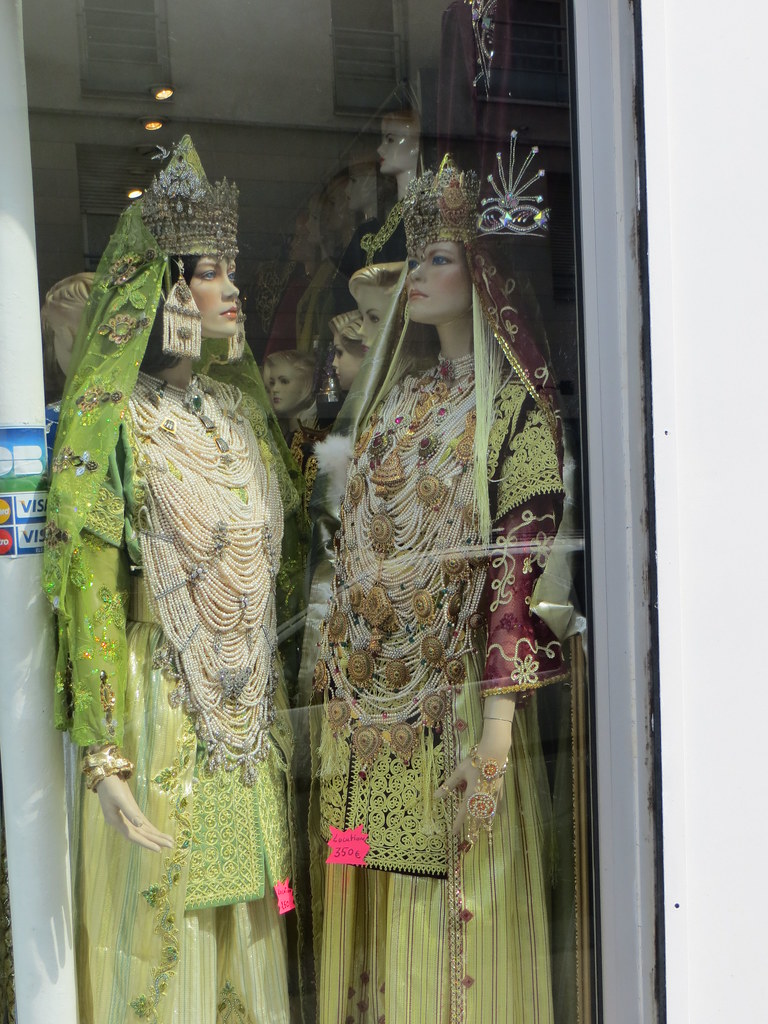 Ironically, perhaps, bearing in mind not only the basilica's religious function but also its more nationalistic and political associations, since these days the ambiance of the whole area is distinctly North African - as in this display of finery.
But domes seem to have had a fascination for entirely secular builders and designers in the nineteenth century. The Galeries Lafayette have their dome-lit atrium (and on the upper floors you can see its outside):
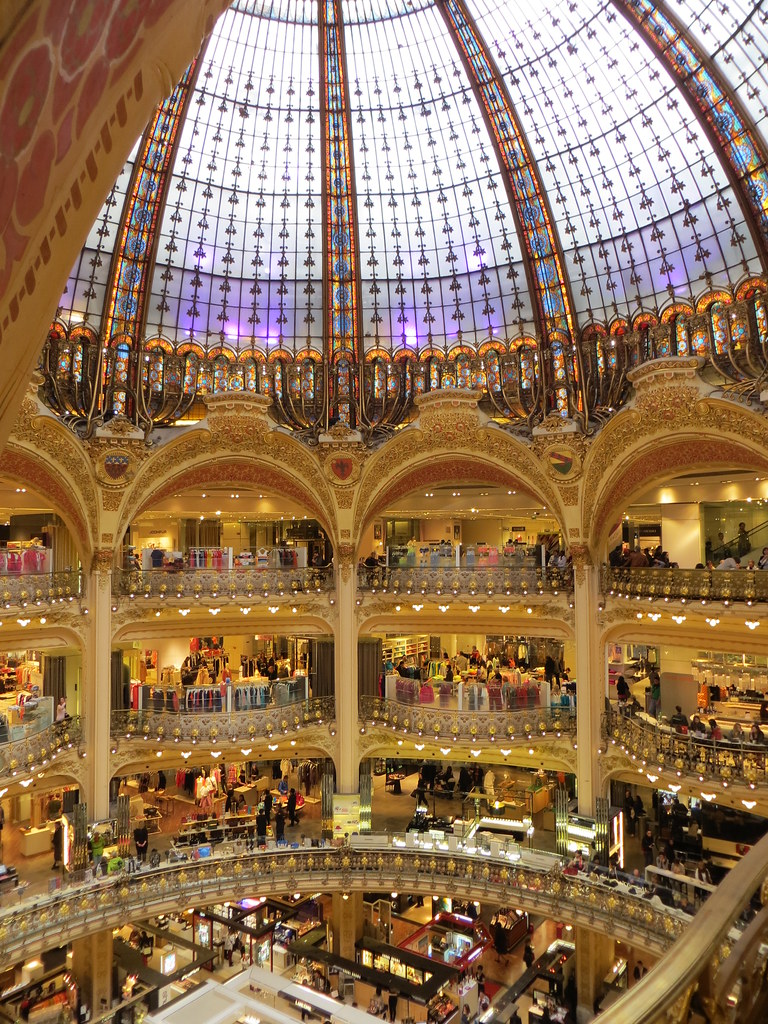
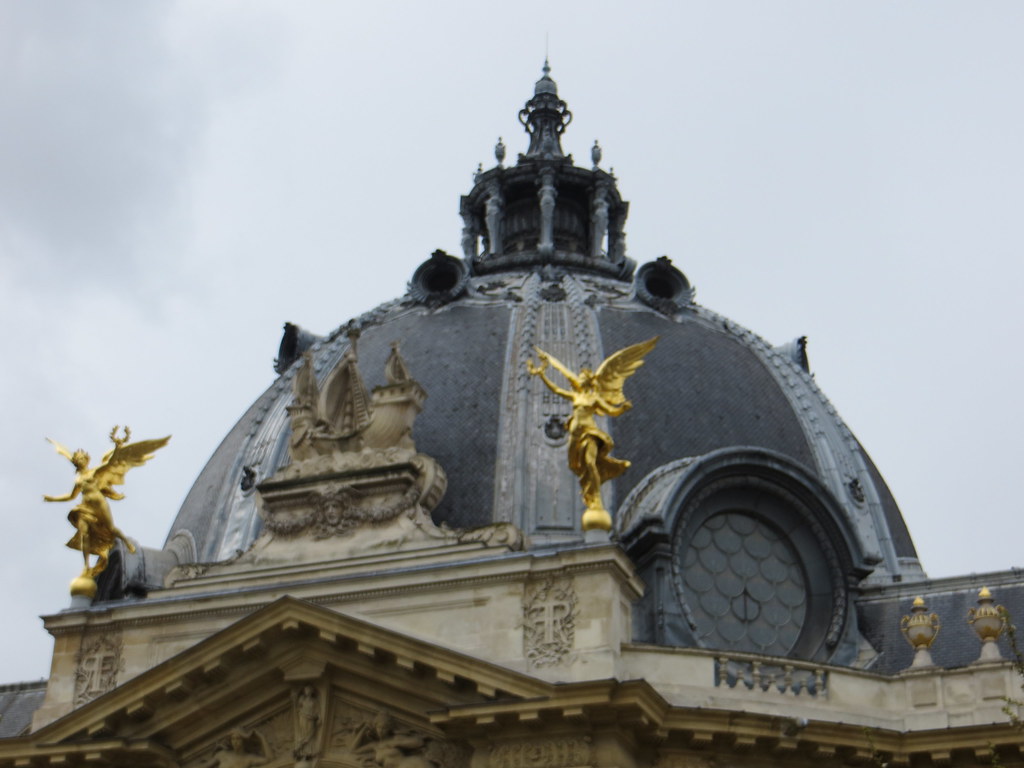
The Petit Palais (built for an international exhibition) bears the badge of Paris, flanked by angels and all sorts of decorative detail:

And though the Pantheon, dominating the southern view from the roof of the Galeries Lafayette as the Sacré Coeur does the north, was built earlier and as a church, it's echoed - even challenged - by the dome of the Opera House, with embellishments that no-one could have been expected to see from the ground:
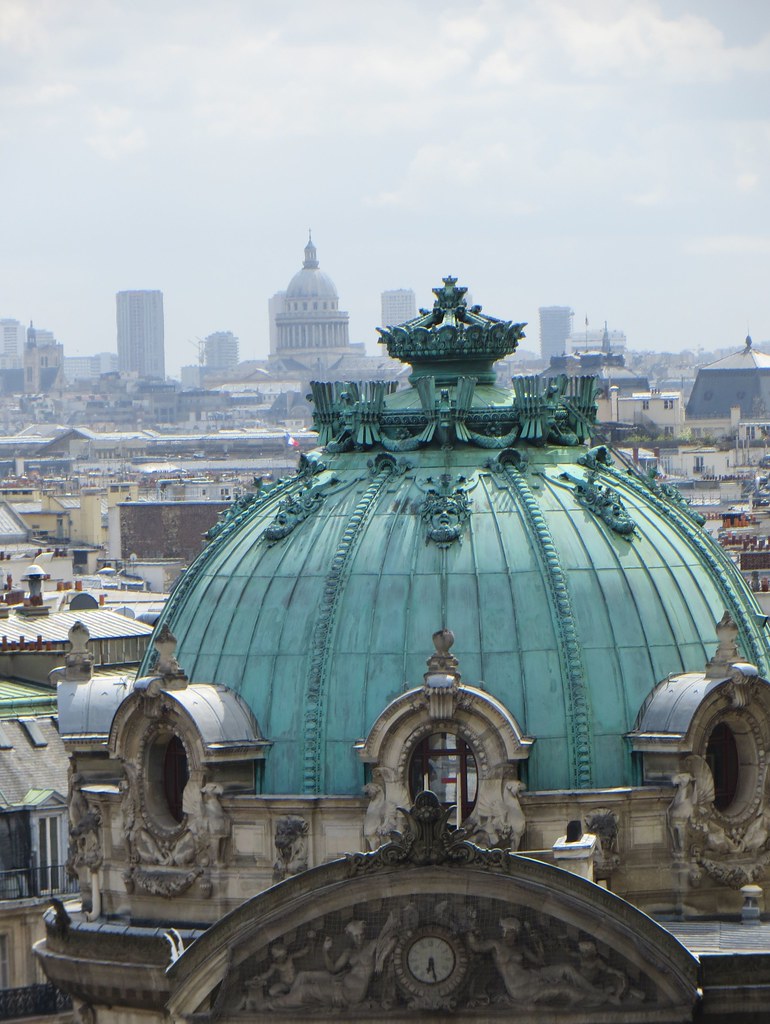
Subscribe to:
Posts (Atom)